


Kandalama Lounge Chair |
||||||||
|
||||||||
| How to buy | ||||||||
| Enquire |
Product Description
In the early 1990s, Geoffrey Bawa was gifted a ‘Ripple’ chair—the corrugated iron lounge chair designed by Australian architect Russell Hall. Impressed by the way its curved iron took on this swirling, organic form, he gave it pride of place in his Lunuganga garden.
Bawa decided to create a companion piece for Hall’s corrugated iron chair, but immediately faced a problem: the material, machinery, and skills required to fashion those expressive curves did not exist in Sri Lanka at the time. He countered this by using the form of the Ripple chair as a springboard, but modified it, replacing the corrugated iron with wrought iron flats that his local metalworker could shape. Instead of placing them next to each other, the flats were spaced out and held together with crude welds, maintaining the Ripple’s fluid sculptural form while allowing for freer air circulation. It was a classic Bawa bricolage: to seize upon some eccentric object, graft a foreign idiom onto local needs and resources, and somehow, conjure up an object that outstripped the sum of its scavenged parts.
As with most of his designs, the first prototypes made their way to his Number 11 home in Colombo, as well as to the gardens of Lunuganga, where, as he once pointed out, they looked like “slender plant stems growing out of the grass.” It was an impossibly romantic idea, but the kind that is difficult to unsee once you see it.
In 1994, Bawa had these chairs made for the Kandalama Hotel (now Heritance Kandalama), where they can be seen even today. In 1997, while speaking at an exhibition of Bawa’s work in Brisbane, Hall graciously expressed his admiration for Bawa’s reinterpretation of his chair.
Phantom Hands’ re-edition of the Kandalama Lounge Chair is made from aluminium flats to reduce the chair’s overall weight and allow for easier shipping. While custom jigs were designed to offer precise curve alignment and consistency, the chair is created entirely by hand—from the initial welding, to hand-bending the aluminium flats around the jigs, to screwing on the rivets so the flats are secured in place and maintain their shape. The chair is available in a natural anodised aluminium finish.
Product Specification


Related Products
See More


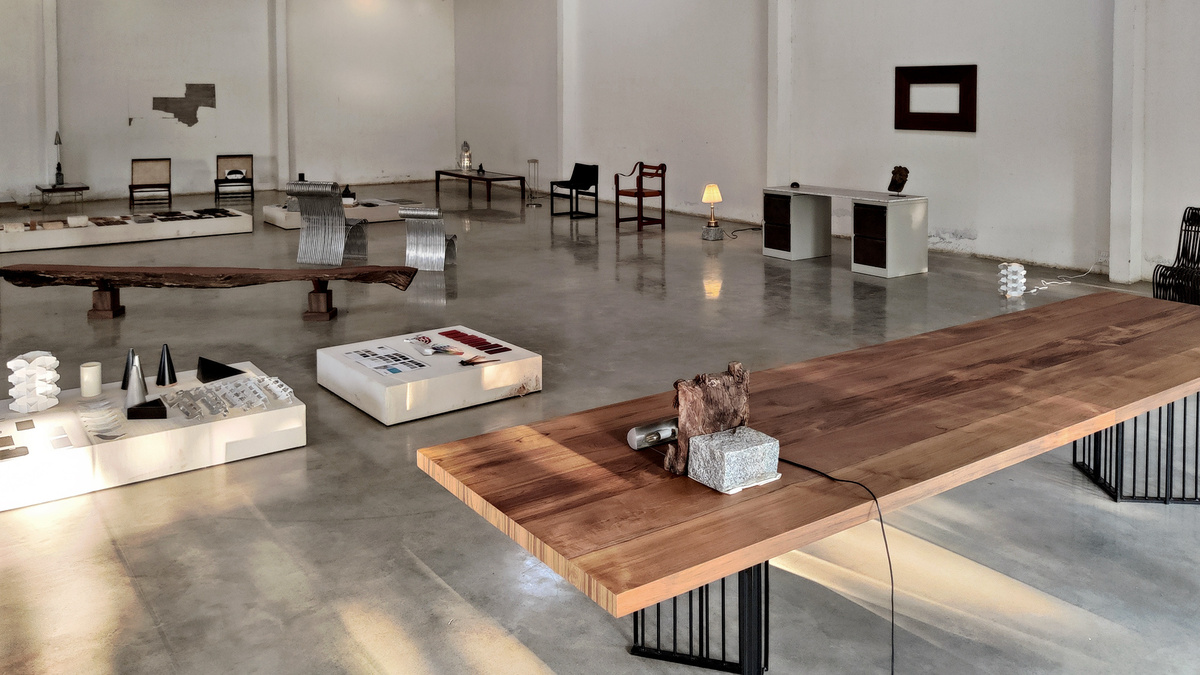
An Excavation of Intent: The Making of Phantom Hands’ Geoffrey Bawa Collection
What does fidelity to a posthumous design legacy mean when that legacy lies encrypted in the objects and relationships it left behind? For Phantom Hands co-founder Aparna Rao, recreating Geoffrey Bawa’s furniture meant working backward into his reasoning. But the endeavour opened a window into the architect’s central guiding intelligence that would have been impossible to encounter any other way
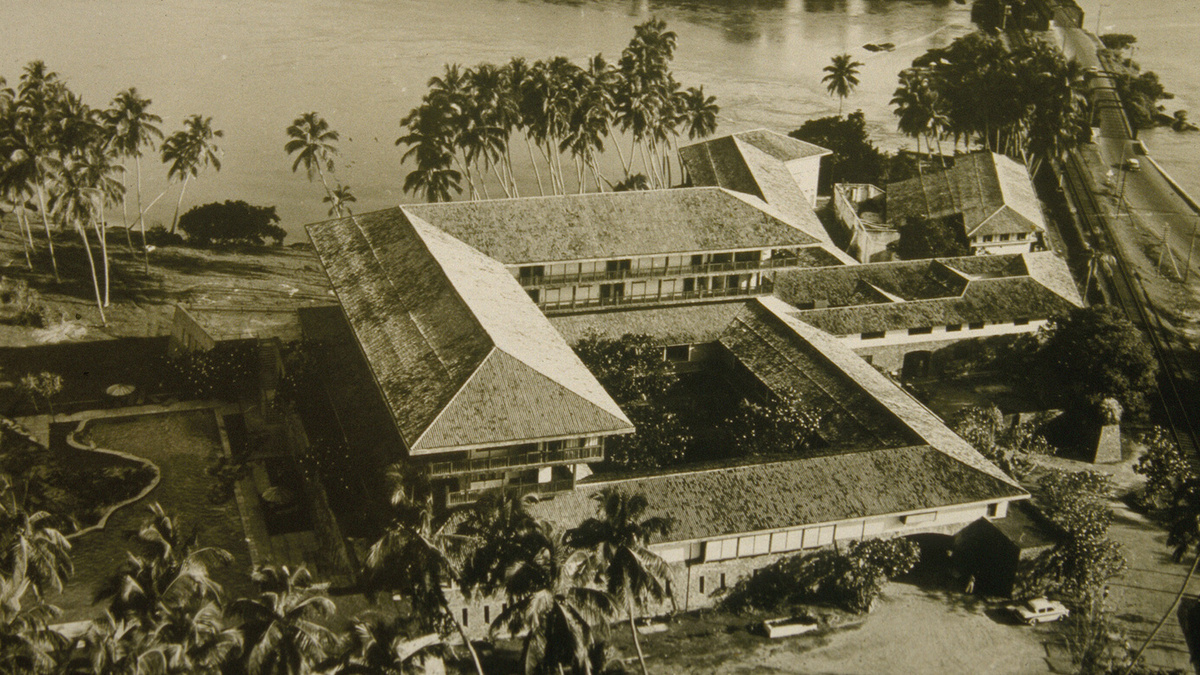
Geoffrey Bawa’s Design Legacy: How Sri Lanka’s Modernist Pioneer Shaped Furniture, Interiors, and Hospitality in South Asia
In post-independence Sri Lanka, Geoffrey Bawa redefined what modern design could mean in a newly self-determining nation. Working within economic restrictions and social upheaval, he created architecture and furniture that reflected both resourcefulness and restraint — work that continues to shape the region’s design language today.
Read More