


Writing Chair |
||||||||
|
||||||||
| How to buy | ||||||||
| Enquire |
Product Description
First designed for the classrooms of Punjab University in Chandigarh, the writing chair designed by the Chandigarh Capital Office combined a seat and desk into a single unit. This design decision did two things: it eliminated the need for rows of bulky desks, and by doing so, allowed institutions to fit more students into their lecture halls. More than just a space-saving innovation, this singular chair reflected the ambitions of a newly independent nation that viewed education and a scientific temper as the stepping stones to a bold new future.
The chair was designed like much of the furniture in Chandigarh at the time: with a solid teak frame, simple joinery, woven cane, and Pierre Jeanneret’s signature compass leg arrangement. One of the two compass legs, in an unusual asymmetry, extended upwards beyond the seat to support the writing panel positioned at arm height. The legs were connected by two crosspieces and a solid board at the bottom, which provided structural bracing for the legs, while also functioning as a low shelf for holding books, files, or papers.
Every design decision that went into the making of this chair was decidedly pragmatic. The teak was chosen for its durability and resistance; the woven cane seat and backrest, to allow for air circulation in hot weather; and the compass leg, for its structural stability, material economy, and simple joinery—the last, an essential factor for easy replicability across small workshops.
Phantom Hands’ re-edition of this chair carries all the structural nuances of the original piece—finger joints, the slight curve of the backrest, and gently rounded edges—but enhances them with high-grade material and quality making practices.
Product Specification


Product Options
We offer this piece in five finishes, with Natural Teak and Dark Stain as standard finishes; and Black, Y4 Light Walnut, and Z4 Dark Walnut as premium finishes.
All five finishes begin with hand-sanding the wood with progressively finer grits of sandpaper. The Natural Teak is finished with a hard wax oil that brings out the wood’s golden-brown colour. The Dark Stain, Y4 Light Walnut, and Z4 Dark Walnut (with the latter two being specially developed proprietary shades) all receive a waterborne stain, followed by three coats of compatibility-tested hydro-oil.
In the Black finish, the wood is sprayed with an eco-friendly, waterborne paint, followed by a waterborne top-coat sealant that leaves the grains and patterns visible.
Standard Wood Finishes: Natural Teak / Dark Stain
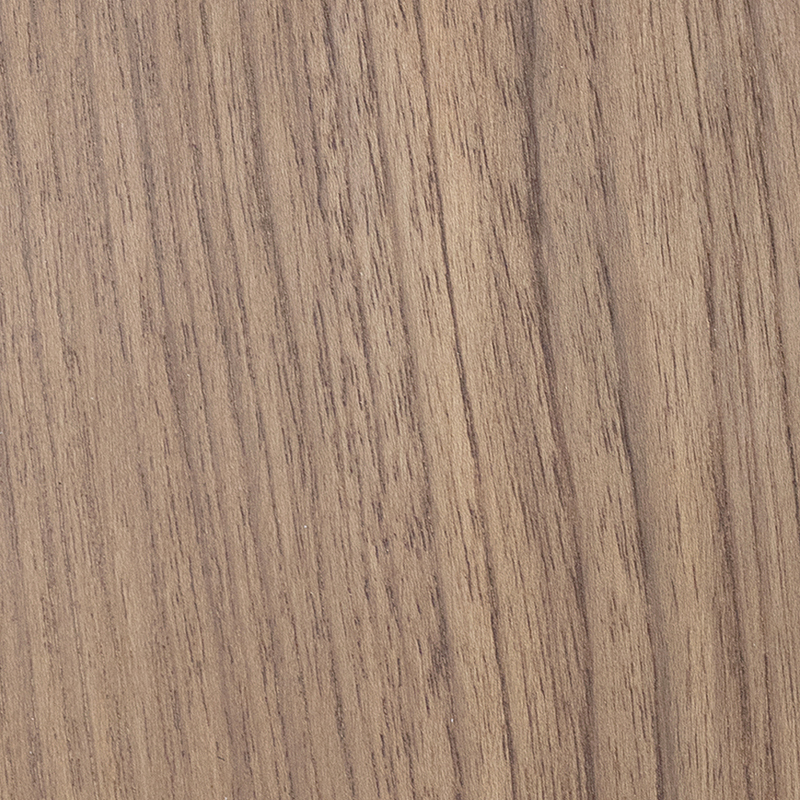
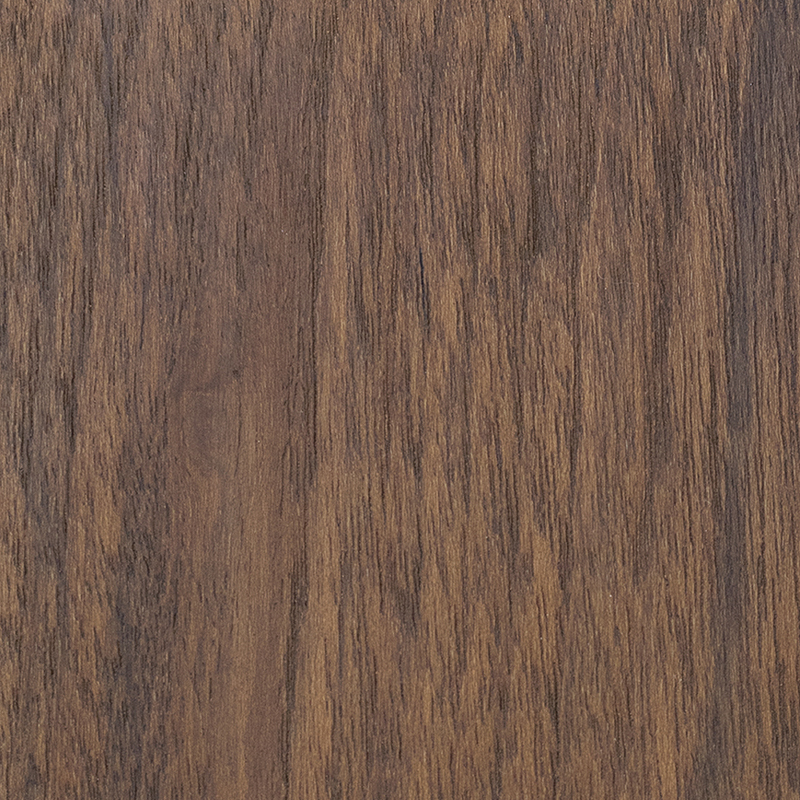
Premium Wood Finishes: Y4 Light Walnut / Z4 Dark Walnut / Black Finish


Cane Weaves: Diamond Weave / Cross Weave
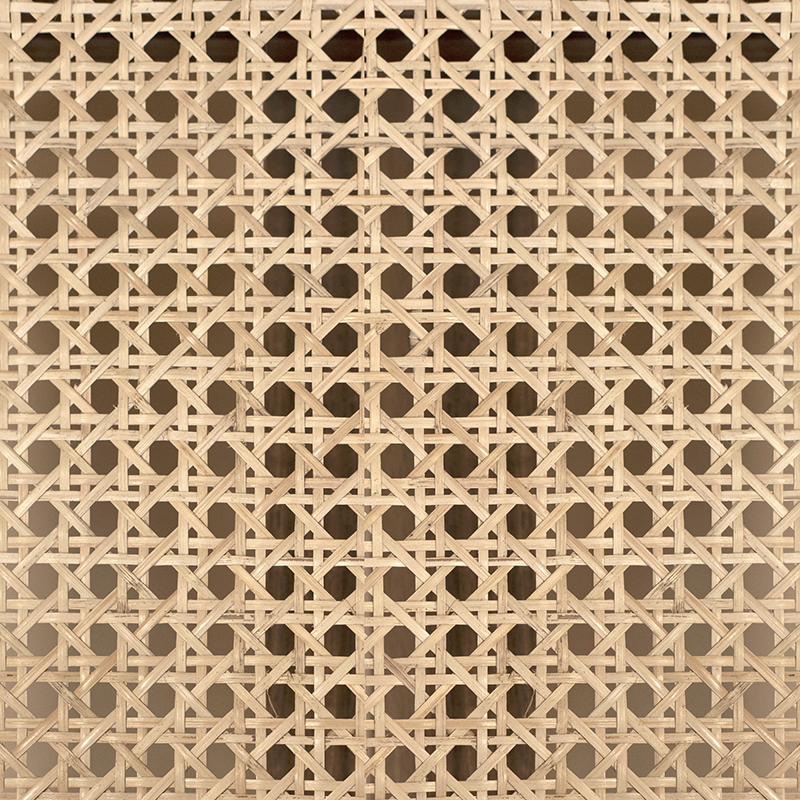
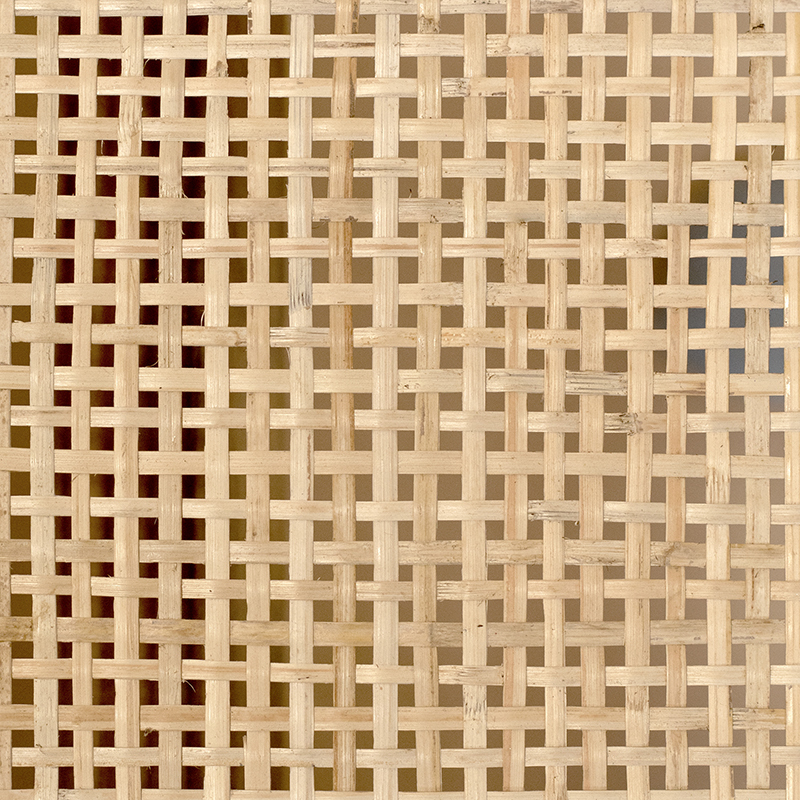
Related Products
See More

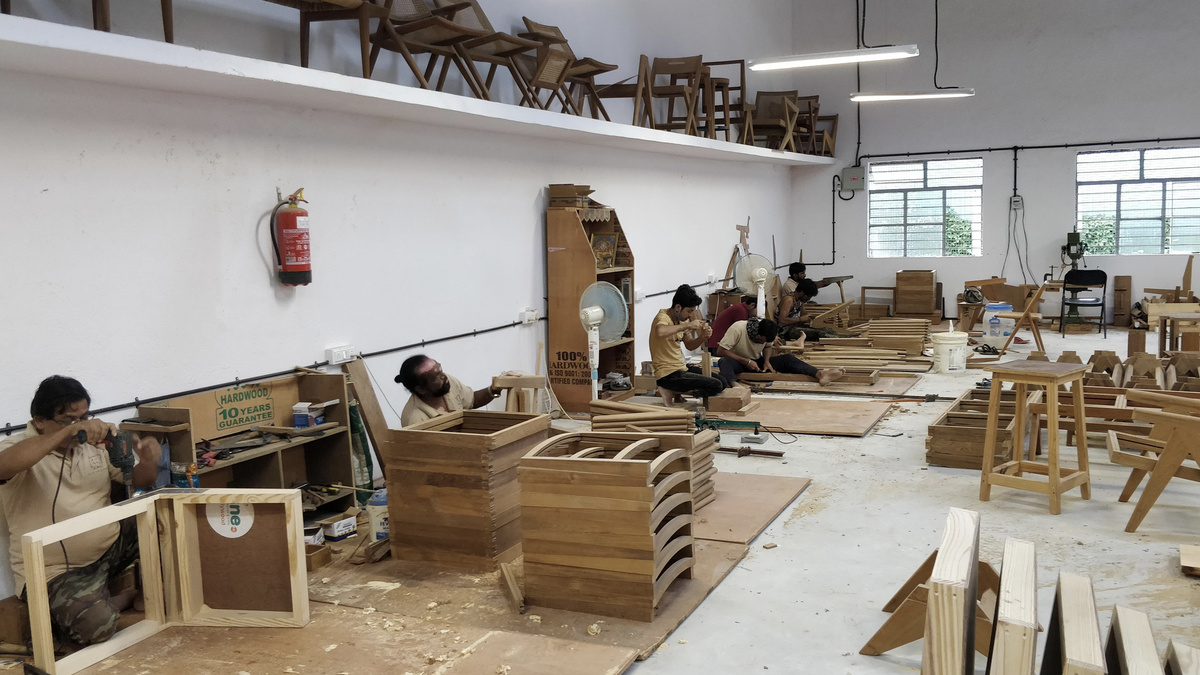
Tales from the Workshop: In Conversation With the Carpenters of Phantom Hands
A chat with the carpenters of Phantom Hands about carpentry, community, learning by making, and the future of wood crafting.
Read More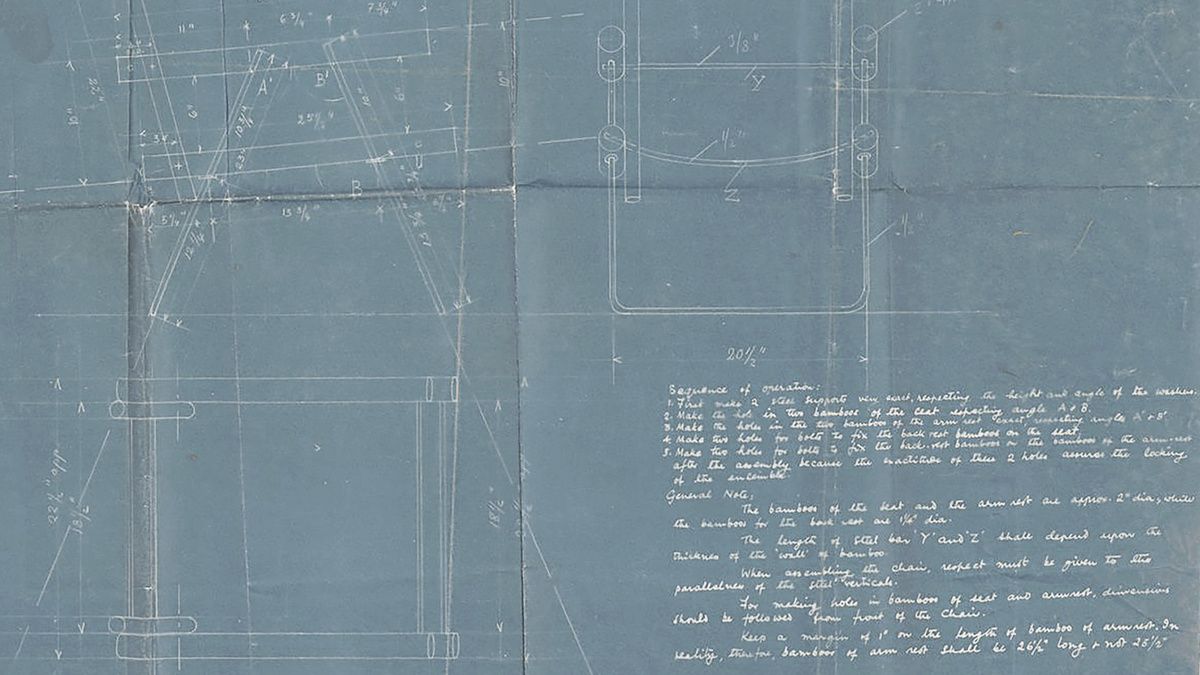
The Genesis of the Chandigarh Chair: Furniture as Infrastructure
There are several things unique about the furniture made for the city of Chandigarh in the 1950’s. The most striking among these is that they were conceived at the same time as the city, as a component of its master plan.
Read More