


Bentota Lounge Chair (Cane) |
||||||||
|
||||||||
| How to buy | ||||||||
| Enquire |
Product Description
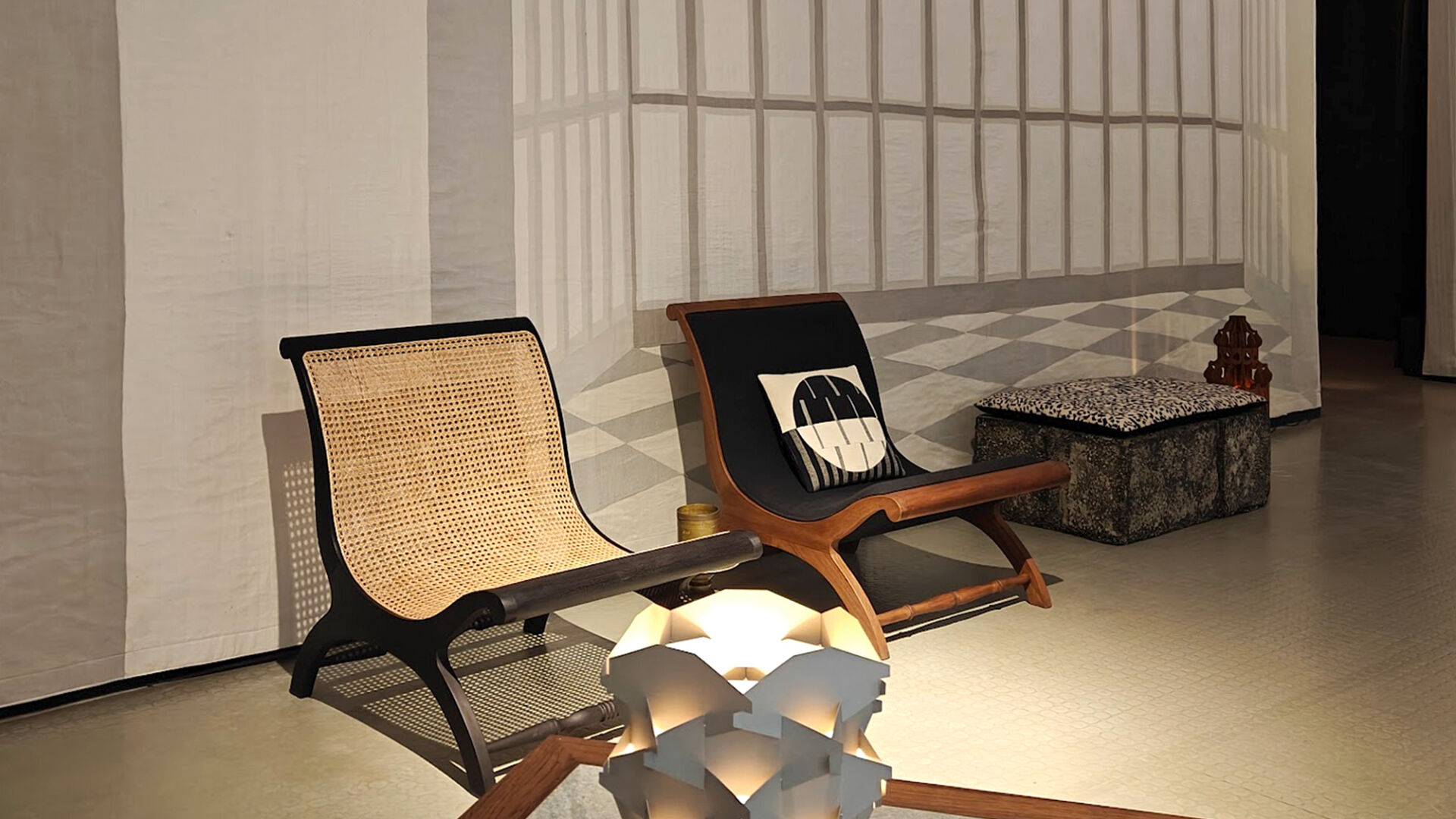
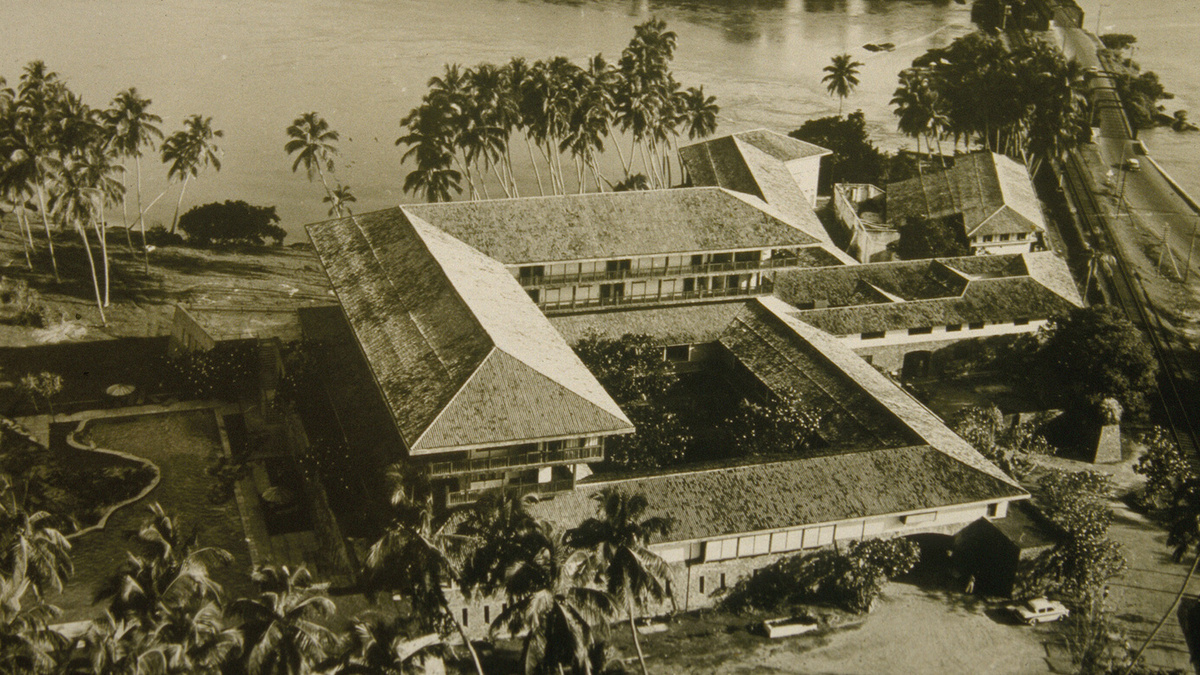
The Bentota Lounge Chair was designed for the Bentota Beach Hotel, a resort developed by the Sri Lankan government in the late 1960s. The Bentota Beach Hotel (now Cinnamon Bentota Beach) is a landmark of Bawa’s early modernist style. Situated on a sandbank between the Indian Ocean and the Bentota River, the hotel’s seamless integration with its surroundings and climate set a new standard for hotel design across South and Southeast Asia in the 1960s and ’70s.
The Bentota Lounge Chair draws inspiration from the verandah armchair (hansi putuwa in Sinhalese), a colonial-era classic known for its high back, wide armrests, and woven cane seating. Variations of this chair can be found across India, Southeast Asia, the Caribbean, South America, and Africa. The same chair has similarly inspired several reinterpretations in the postcolonial world. Cuban-born designer Clara Porset’s Butaque chair, created in Mexico in the 1940s and ’50s, for instance, was also inspired by the same type of chair. Porset’s adaptation was commissioned by architects such as Luis Barragán—whose work Bawa admired—and Mario Pani.
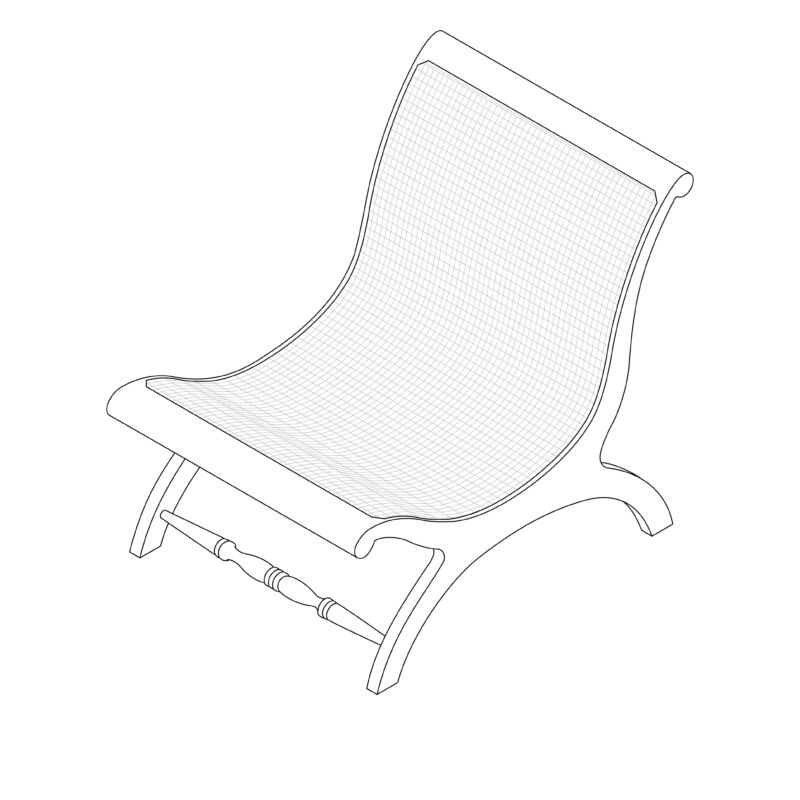
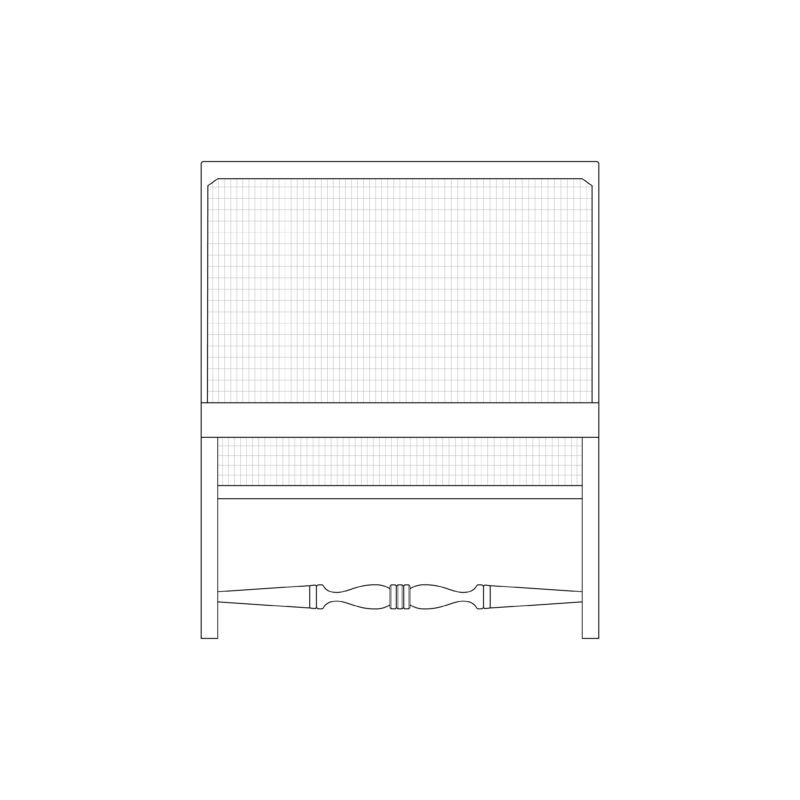
Bawa’s reinterpretation removes the armrests of the original verandah chair, maintaining its relaxed, cooling effect while fostering more open interaction between those seated alongside. A distinctive feature of his design is the turned braces between the legs, giving the chair its unique character.
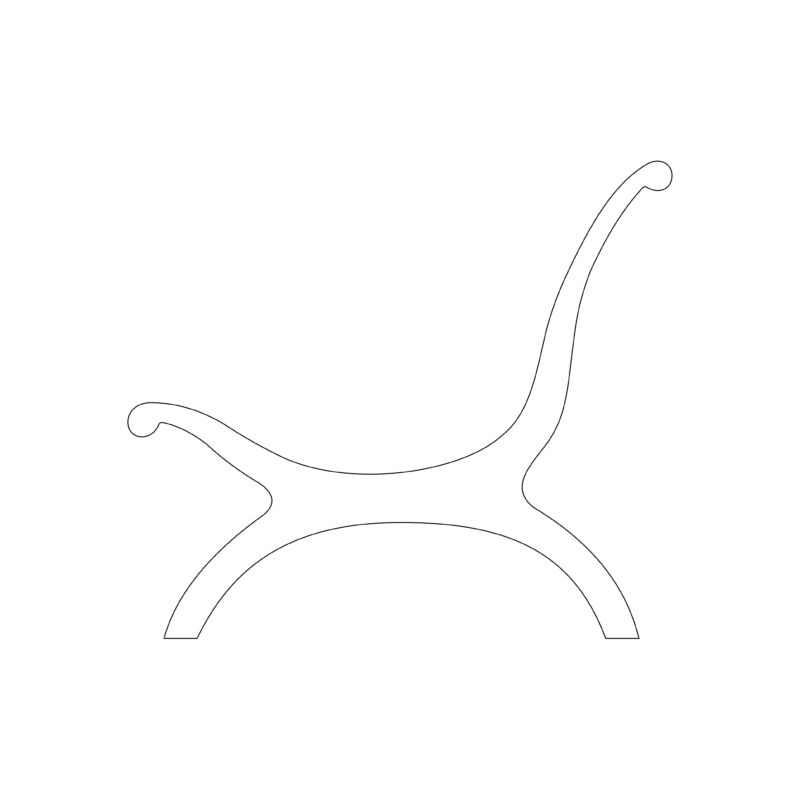
Phantom Hands’ re-edition of the Bentota Lounge Chair is based on the version found at the Bentota Beach Hotel. Bawa’s original is refined by adjusting the thickness of the wooden frame to enhance ergonomics, while retaining the exact side profile of the original. The re-edition maintains distinct design elements for each variation of this classic chair—the turned crossbars differ slightly between the cane and upholstered versions, as seen in Bawa’s originals.
Product Specification
Product Options
We offer this piece in four finishes: Natural Teak, Dark Stain, Y4 Light Walnut (a premium finish), and Black Finish.
All four finishes begin with hand-sanding the wood with progressively finer grits of sandpaper. The Natural Teak is then finished with a hard wax oil that brings out the wood’s golden-brown colour. The Dark Stain and Y4 Light Walnut, with the latter being a proprietary shade, both receive a waterborne stain, followed by three coats of compatibility-tested hydro-oil.
In the Black finish, the wood is sprayed with an eco-friendly, waterborne paint, followed by a waterborne top-coat sealant that leaves the grains and patterns visible.
Wood Finish Options - Natural Teak (Teak) / Dark Stain (Teak) / Y4 Light Walnut (Teak) / Black Finish (Teak)


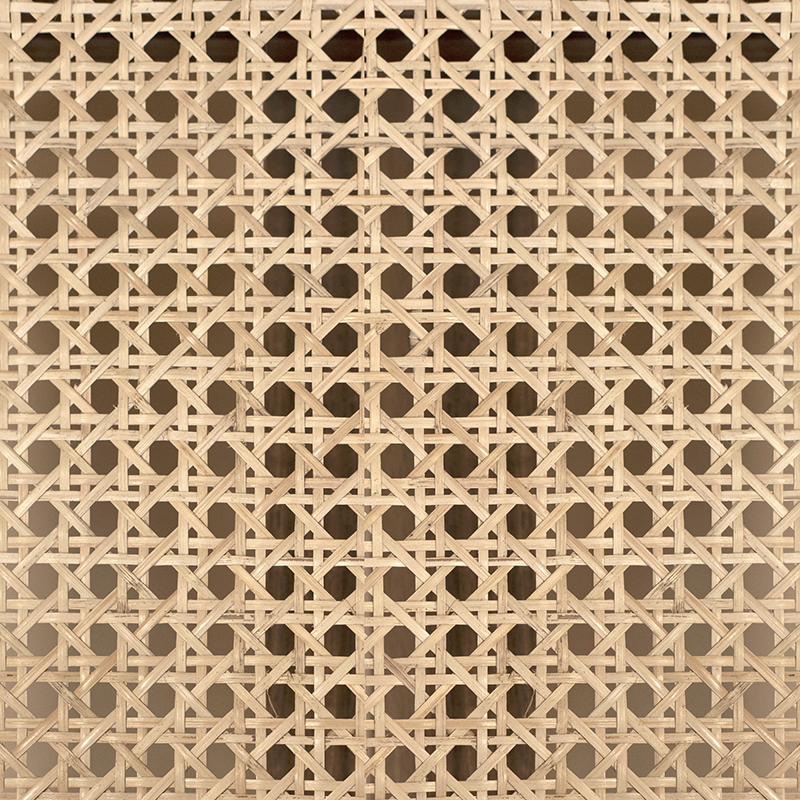
Cane Weave: Diamond Weave
Related Products
See More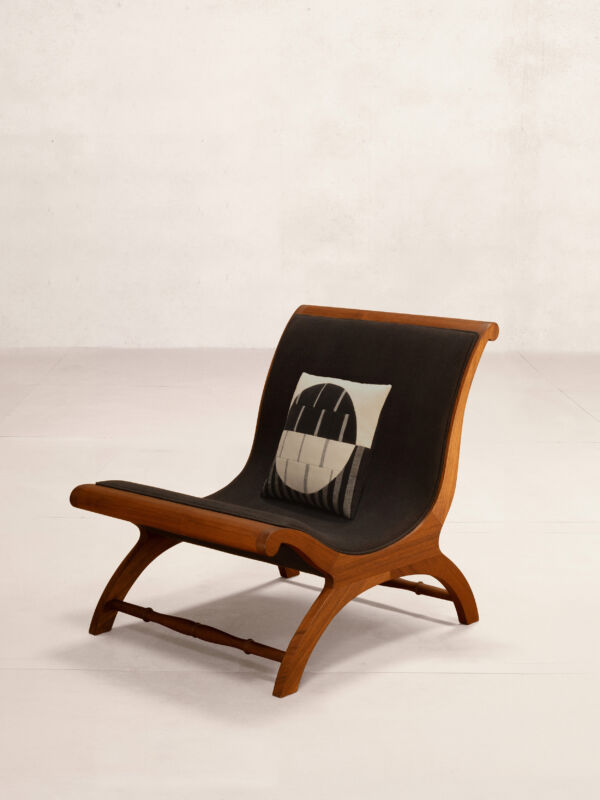


Geoffrey Bawa’s Design Legacy: How Sri Lanka’s Modernist Pioneer Shaped Furniture, Interiors, and Hospitality in South Asia
In post-independence Sri Lanka, Geoffrey Bawa redefined what modern design could mean in a newly self-determining nation. Working within economic restrictions and social upheaval, he created architecture and furniture that reflected both resourcefulness and restraint — work that continues to shape the region’s design language today.
Read More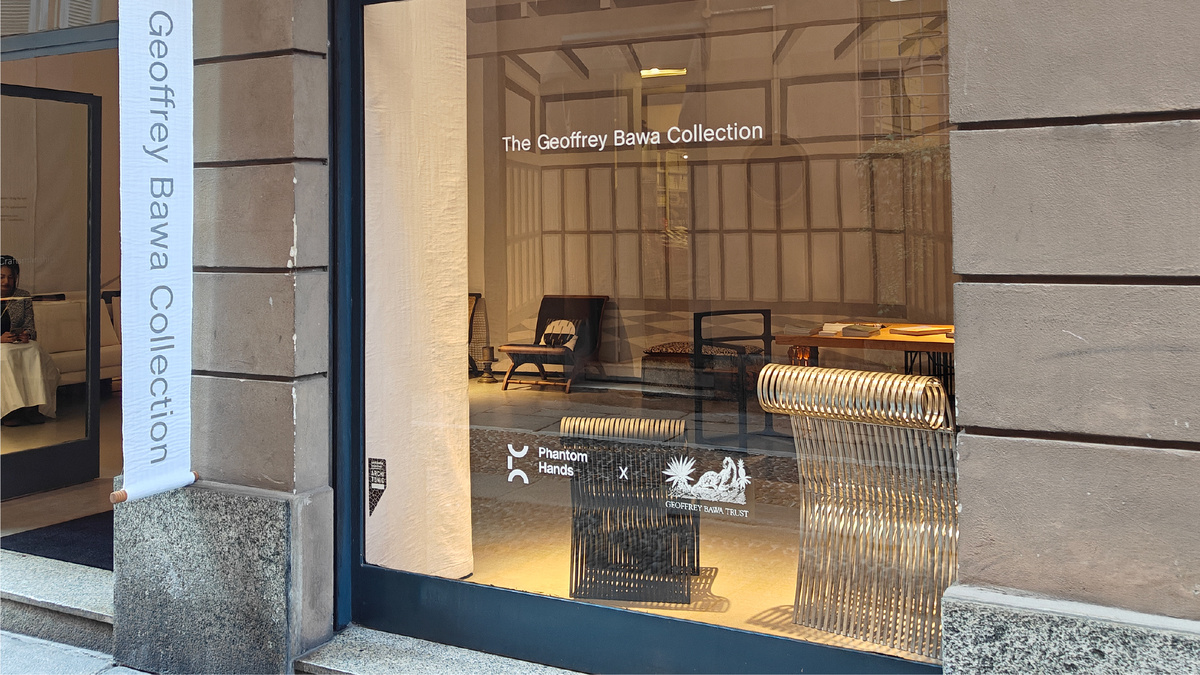
Milan Design Week 2025 - Geoffrey Bawa Collection Launch
Phantom Hands unveiled its new Geoffrey Bawa Collection at the Milan Design Week 2025, featuring authorised re-editions of the late Sri Lankan architect’s iconic furniture.
Read More