


Folding Screen |
||||||||
|
||||||||
| How to buy | ||||||||
| Enquire |
Product Description
In the late 1950s, Pierre Jeanneret designed a number of furniture pieces for the University of Punjab, as well as for various administrative buildings in Chandigarh. One of these pieces was a three-panel folding screen in teak, which, depending on the setting and the materials available, Jeanneret had panelled in leather, linen, or moleskin. Though the screen mirrored the grid structure seen in many of Chandigarh’s public buildings, the frames have a hint of the trapezoidal ‘compass-leg’ shape seen in Jeanneret’s Chandigarh suite of chairs and tables.
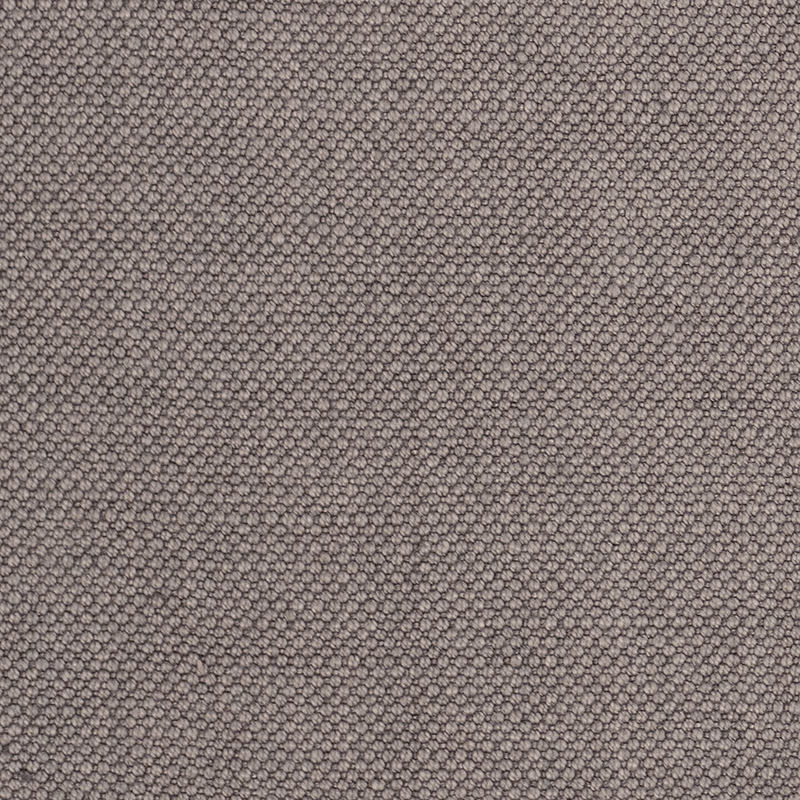
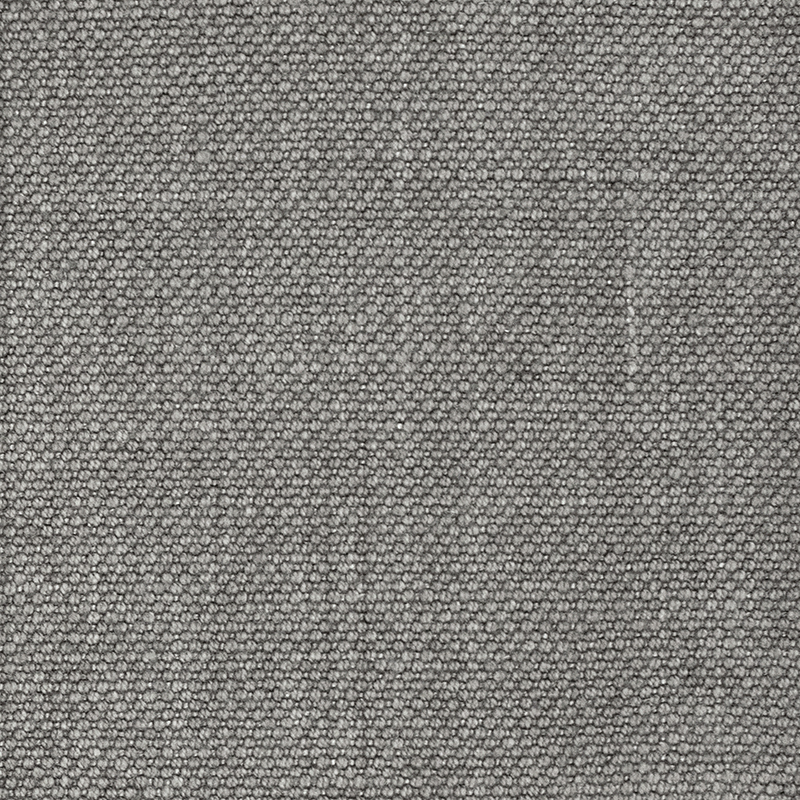
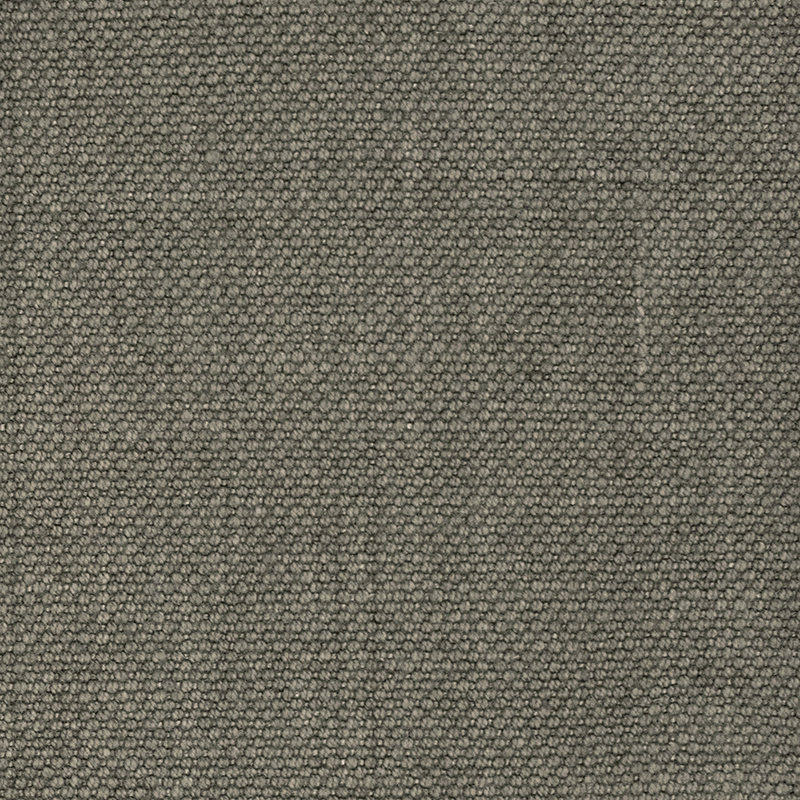
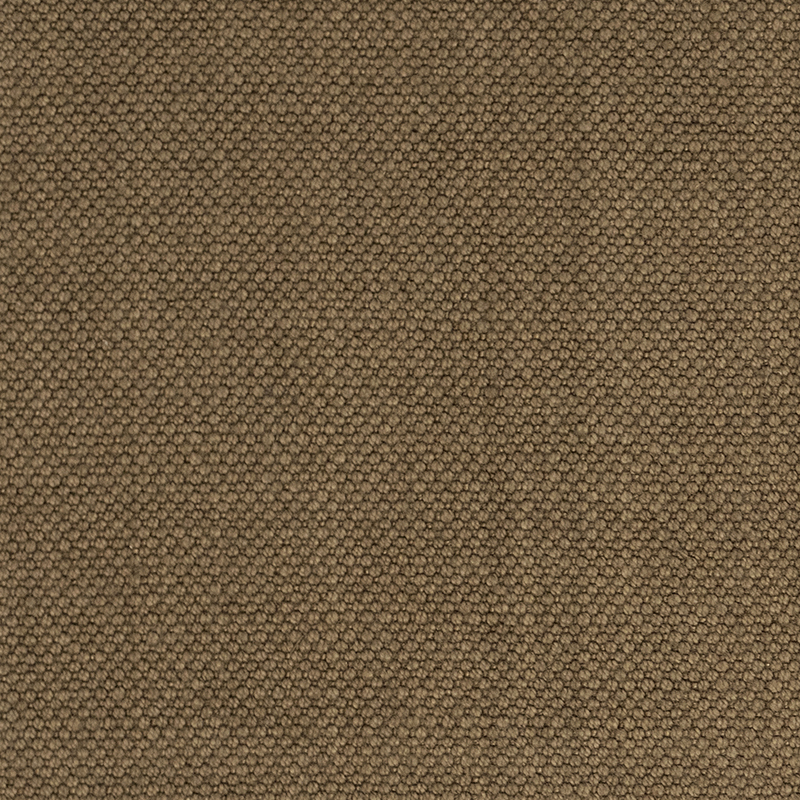
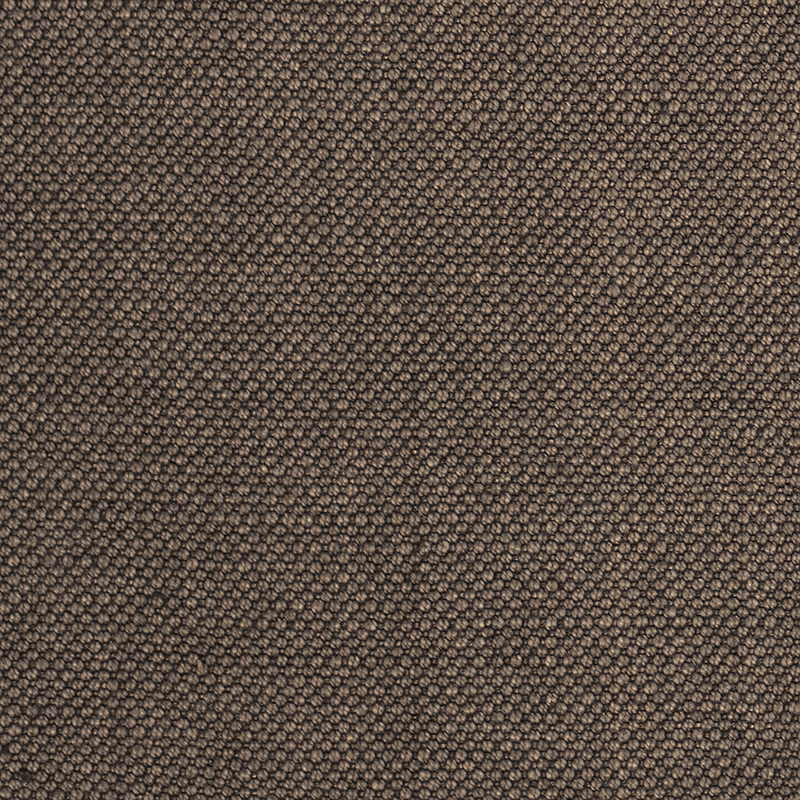
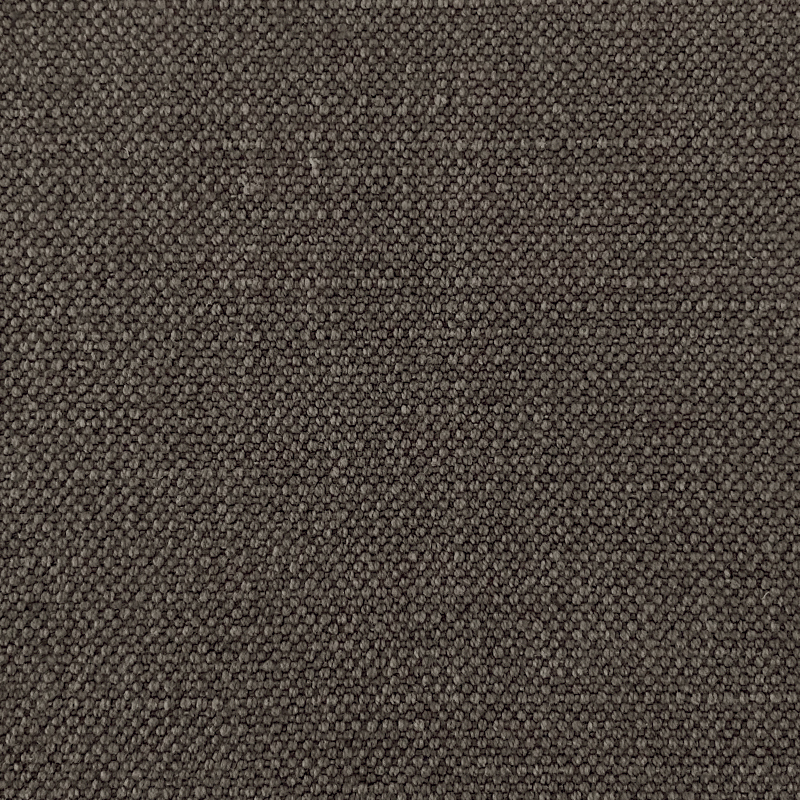
Our re-edition of the three-panel folding screen is in teak and 100% linen, with brass railway hinges. The subtly textured linen panels in two shades of grey add a sense of depth to the piece. The light and dark fabrics seen in this piece are ‘Elephant Skin’ and ‘Mourning Dove’ from our Amkunj collection by Zanav, but the panels can also be customised with any fabrics from within the Andaman or Amkunj family (see below for colour options), or with COM (Customer’s Own Fabric).
Product Specification


Product Options
We offer this piece in five finishes, with Natural Teak and Dark Stain as standard finishes; and Black, Y4 Light Walnut, and Z4 Dark Walnut as premium finishes.
All five finishes begin with hand-sanding the wood with progressively finer grits of sandpaper. The Natural Teak is finished with a hard wax oil that brings out the wood’s golden-brown colour. The Dark Stain, Y4 Light Walnut, and Z4 Dark Walnut (with the latter two being specially developed proprietary shades) all receive a waterborne stain, followed by three coats of compatibility-tested hydro-oil.
In the Black finish, the wood is sprayed with an eco-friendly, waterborne paint, followed by a waterborne top-coat sealant that leaves the grains and patterns visible.
Please note that each batch of teak is unique and actual shade may vary from the reference images.
Standard Wood Finishes: Natural Teak / Dark Stain
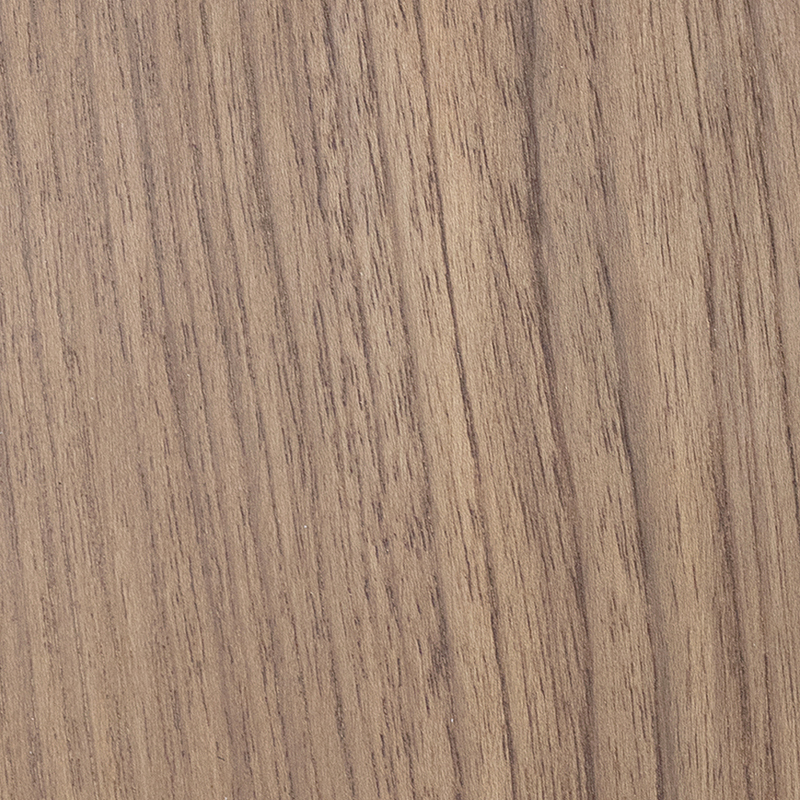

Premium Wood Finishes: Y4 Light Walnut / Z4 Dark Walnut / Black Finish


Upholstery Fabrics: Amkunj
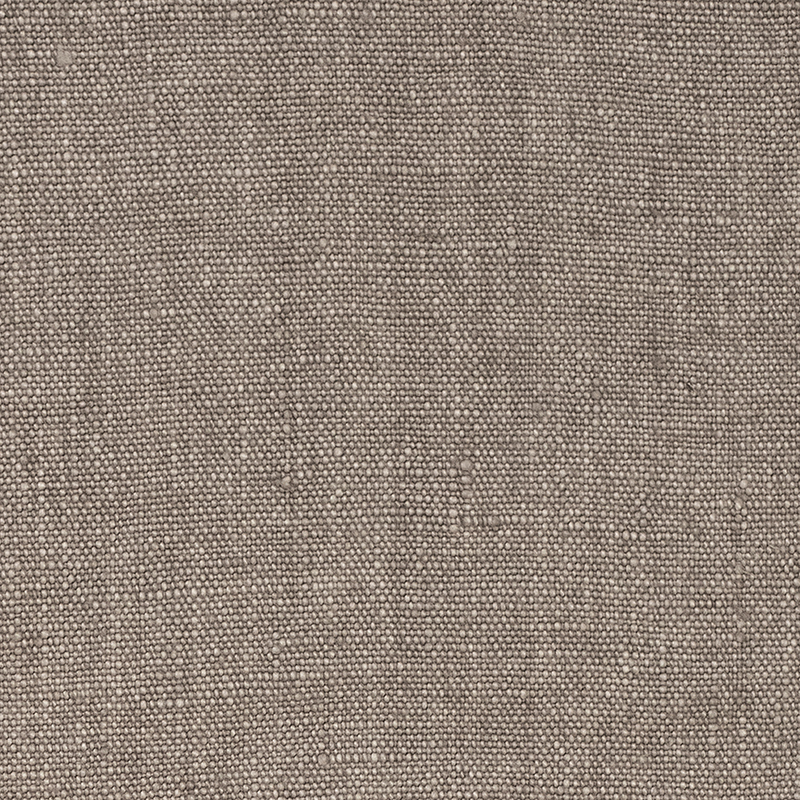
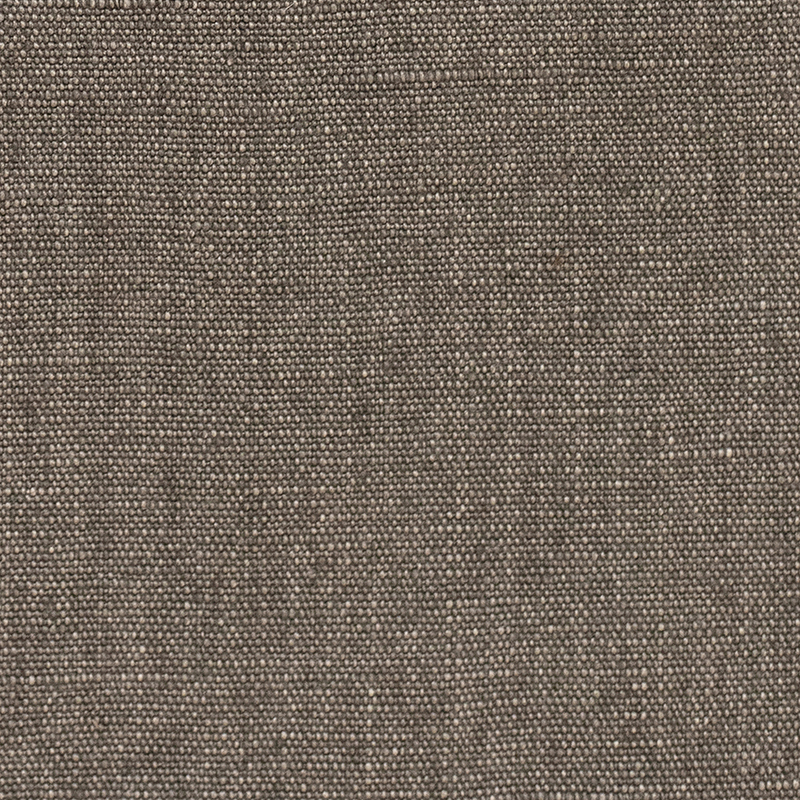
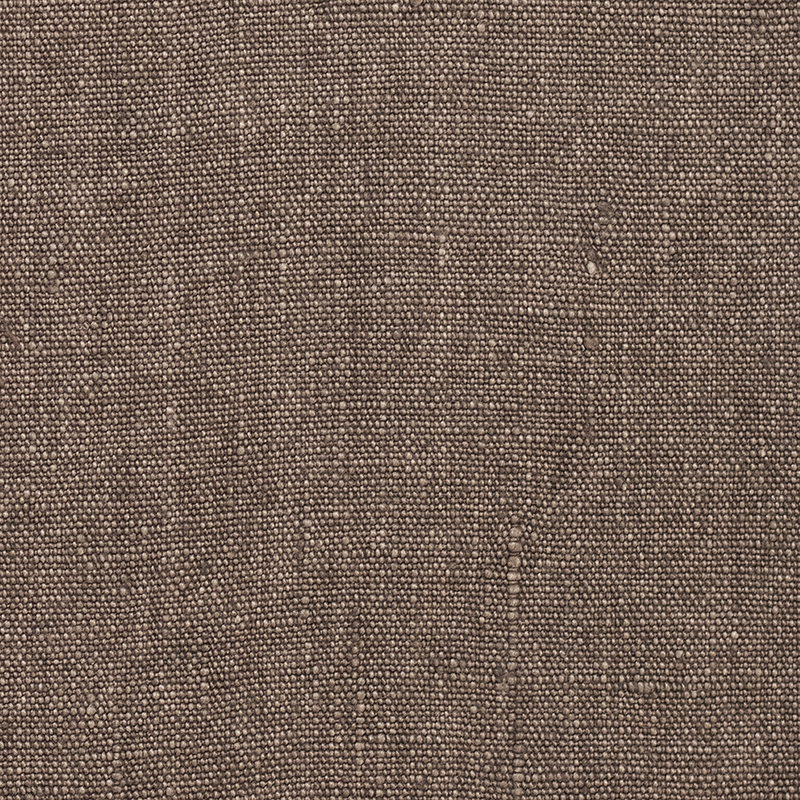
Upholstery Options: Andaman

Related Products
See More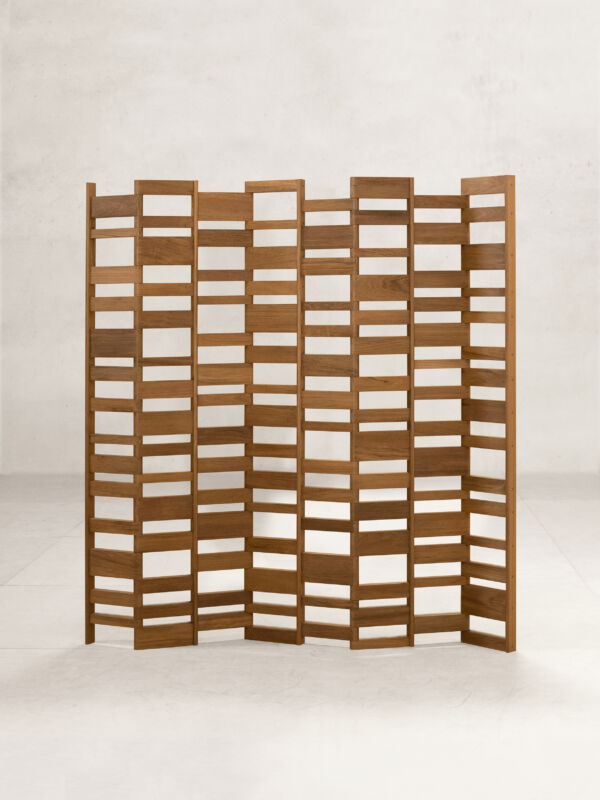
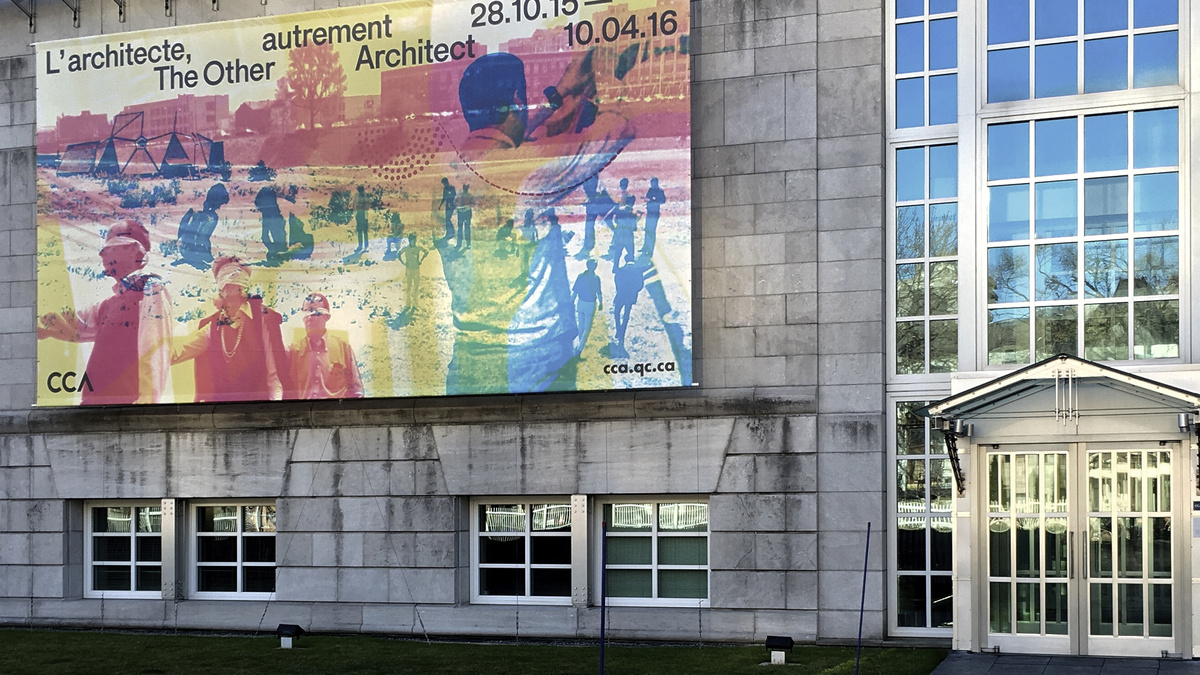
Digitising the Pierre Jeanneret Fonds at the Canadian Centre for Architecture, Montreal
Phantom Hands made a contribution to the Canadian Centre for Architecture, Montreal in 2016 to support the digitisation of the Pierre Jeanneret archives preserved at the institute.
Read More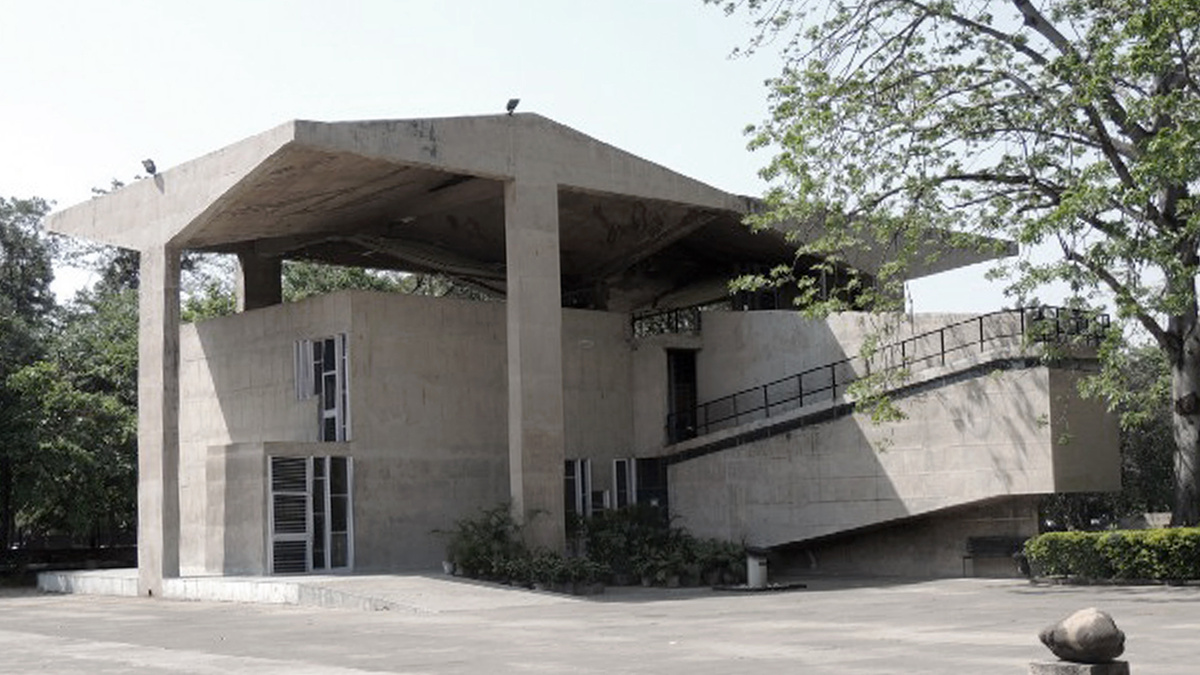
A Visit to the Chandigarh Architecture Museum
The Chandigarh Architecture Museum is one of my favourite buildings in Chandigarh. Designed by architect S.D. Sharma, a protege of Corbusier and Jeanneret, the building draws inspiration from the Pavillion Le Corbusier in Zurich.
Read More