


Kandalama Perch Bench |
||||||||
|
||||||||
| How to buy | ||||||||
| Enquire |
Product Description
Nestled in the breathtaking landscapes of Dambulla, Sri Lanka, the Kandalama Hotel (now Heritance Kandalama), completed in 1994, exemplifies Geoffrey Bawa’s commitment to integrating architecture with nature. With its innovative use of space, both inside and out, the hotel remains one of the finest examples of Bawa’s dedication to sustainability, and fostering connection between people and the natural world.
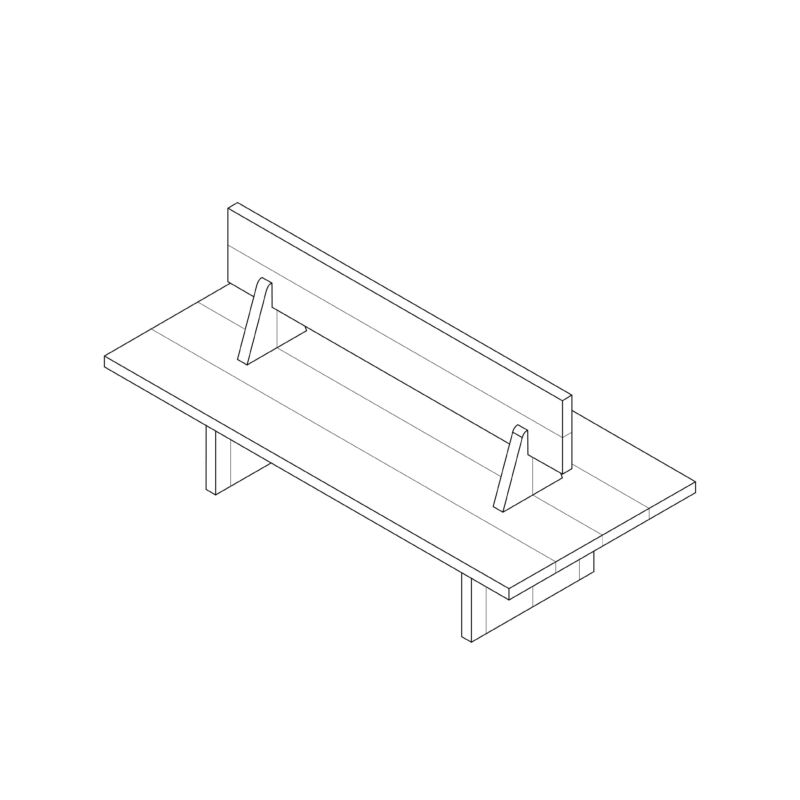
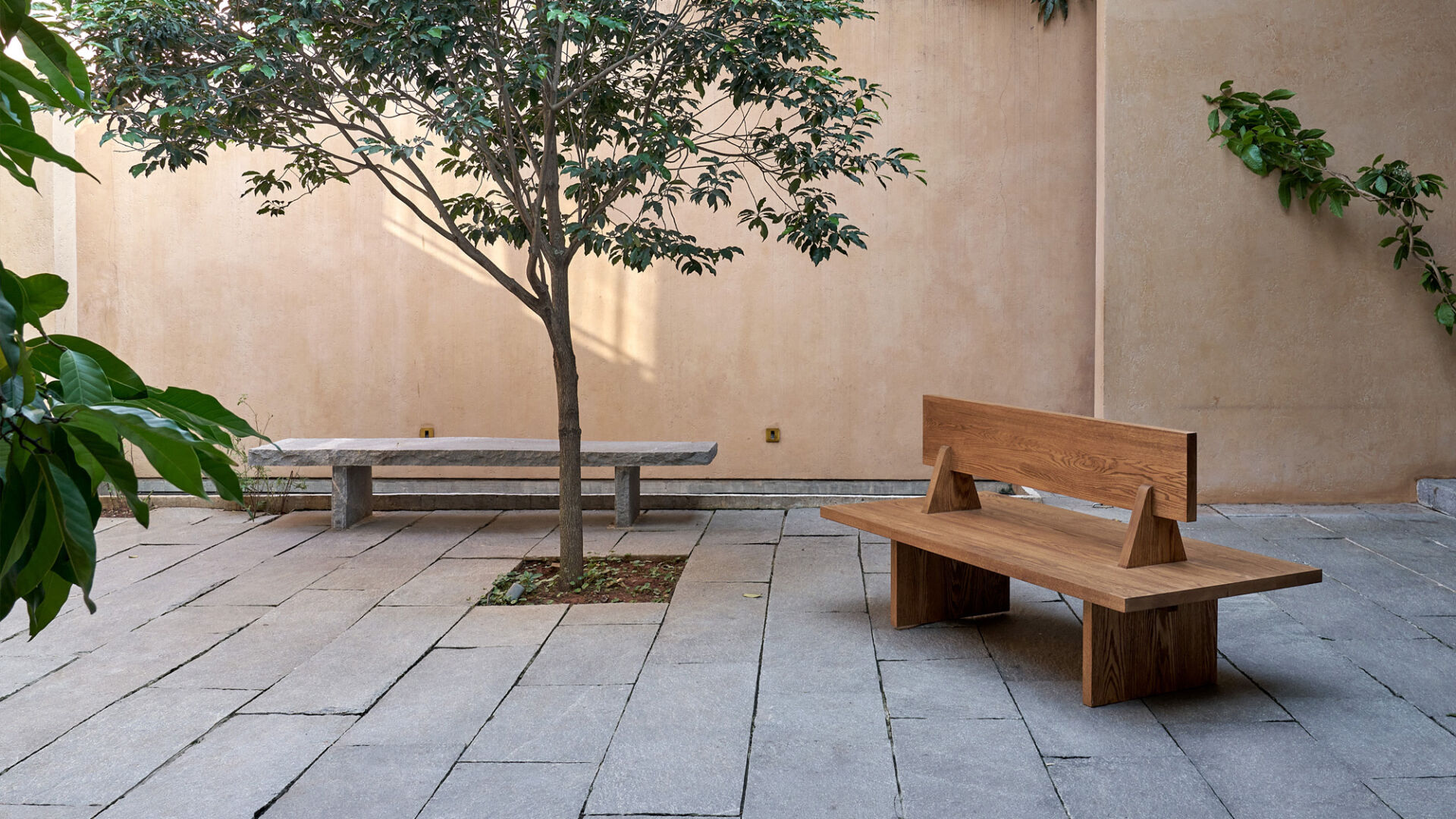
The Kandalama Perch Bench—both a seat and a sculptural element—is a product of this vision. Designed for the hotel’s expansive verandahs and lobbies, it invites guests to pause and take in the lush surroundings. Its robust timber structure allows for multiple ways of sitting, including perching on the backrest, transforming it into a communal gathering place.
The Bench was designed by architect Channa Daswatte, who joined Bawa’s practice in 1991, and worked closely with him on the Kandalama Hotel. Channa went on to become the last partner in Bawa’s firm and took over the practice after Bawa was no longer able to work due to ill health. The bench was installed at the Kandalama Hotel in 2005, after Bawa’s death.
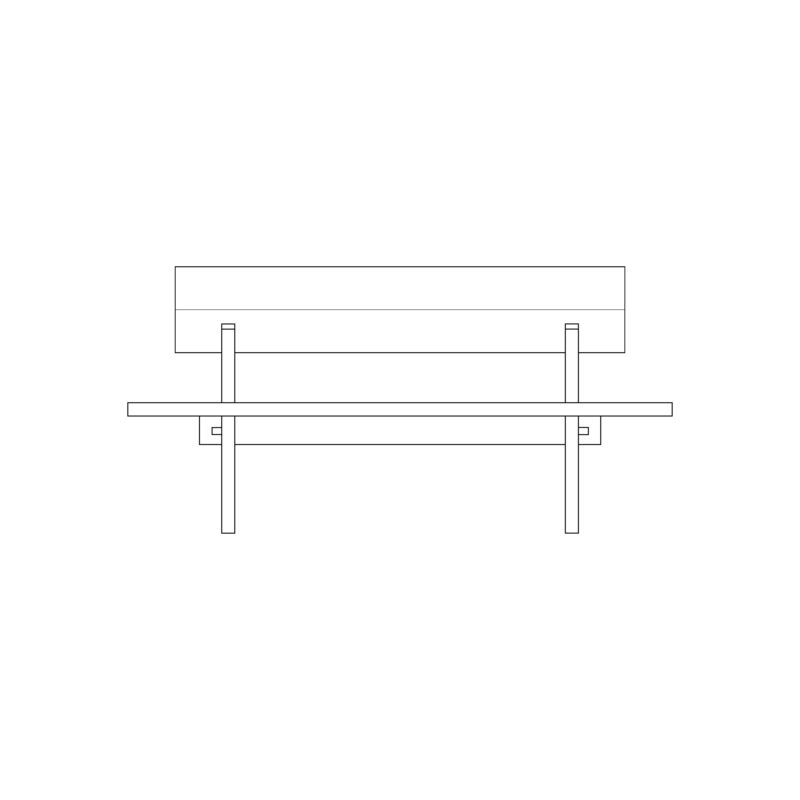
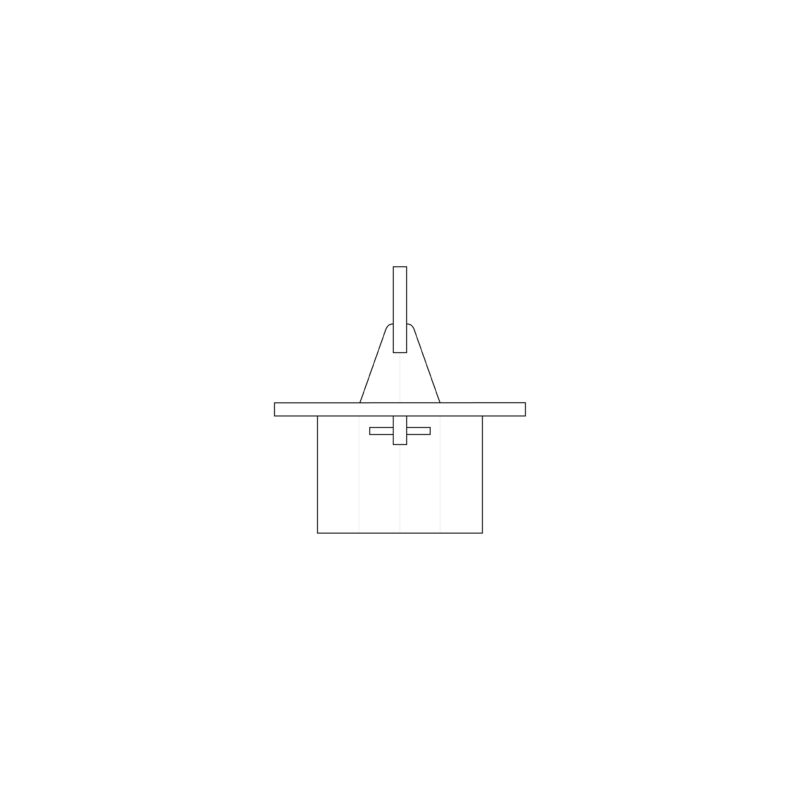
Phantom Hands’ re-edition refines the original, with slight adjustments to enhance comfort and stability, and make it more accommodating at the bench ends. The design is also responsive to modern production, and uses timber sections that minimize material waste. Additionally, this version is flat-packed for easier and more economical shipping.
The bench is available in teak, or American red oak (as seen in the images above), with red oak being the more economical and sustainable timber option. For semi-outdoor spaces, teak is the recommended version, whereas red oak is suitable only for indoor use.
Product Specification
Product Options
The teak version of the bench is offered in three finishes: Natural Teak and Dark Stain as standard finishes, and Y4 Light Walnut as a premium finish.
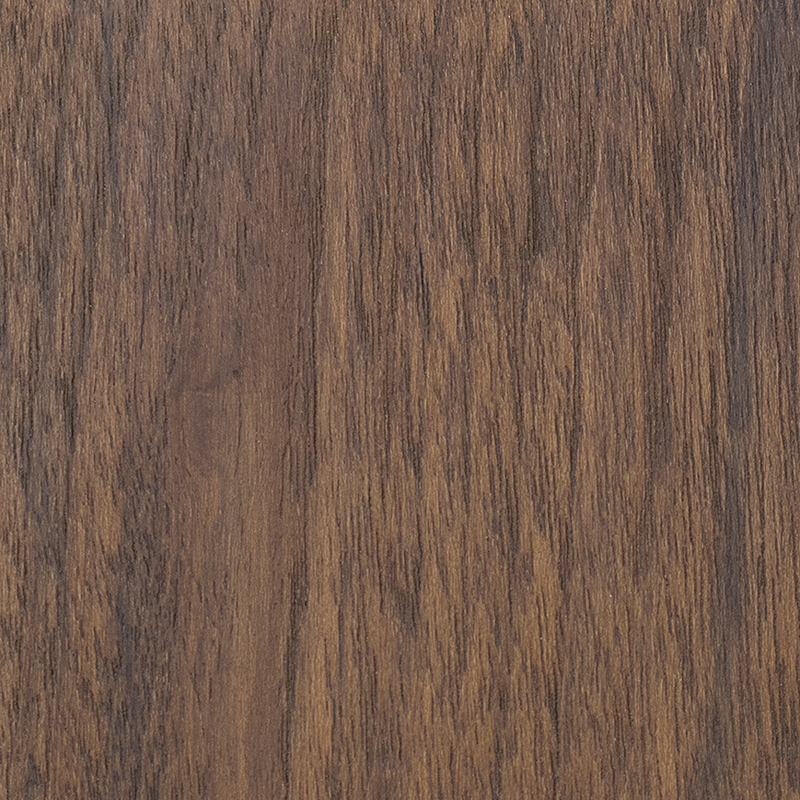
All three finishes begin with hand-sanding the wood with progressively finer grits of sandpaper. The Natural Teak is finished with a hard wax oil that brings out the wood’s golden-brown colour. The Dark Stain and Y4 Light Walnut, with the latter being a proprietary shade, both receive a waterborne stain, followed by three coats of compatibility-tested hydro-oil.
The red oak version of the bench is available in a Natural Teak Stain, as seen in the product images above.
Wood Finish Options - Natural Teak (Teak) / Dark Stain (Teak) / Y4 Light Walnut (Teak)


Related Products
See More


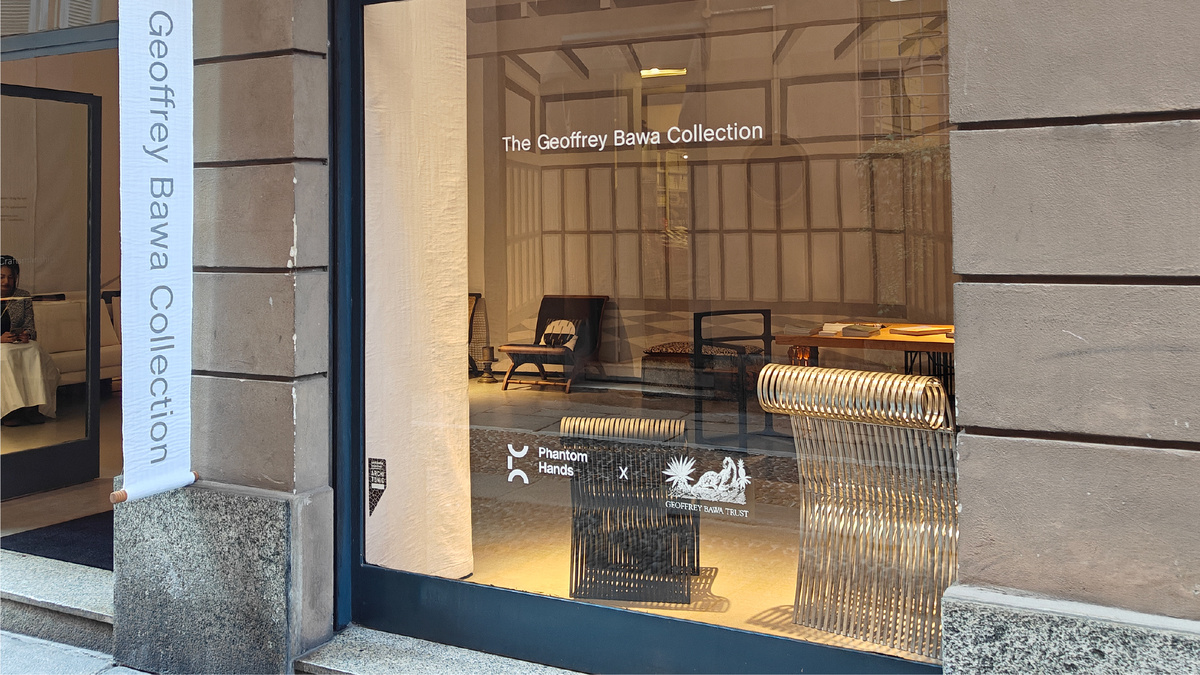
Milan Design Week 2025 - Geoffrey Bawa Collection Launch
Phantom Hands unveiled its new Geoffrey Bawa Collection at the Milan Design Week 2025, featuring authorised re-editions of the late Sri Lankan architect’s iconic furniture.
Read More