About
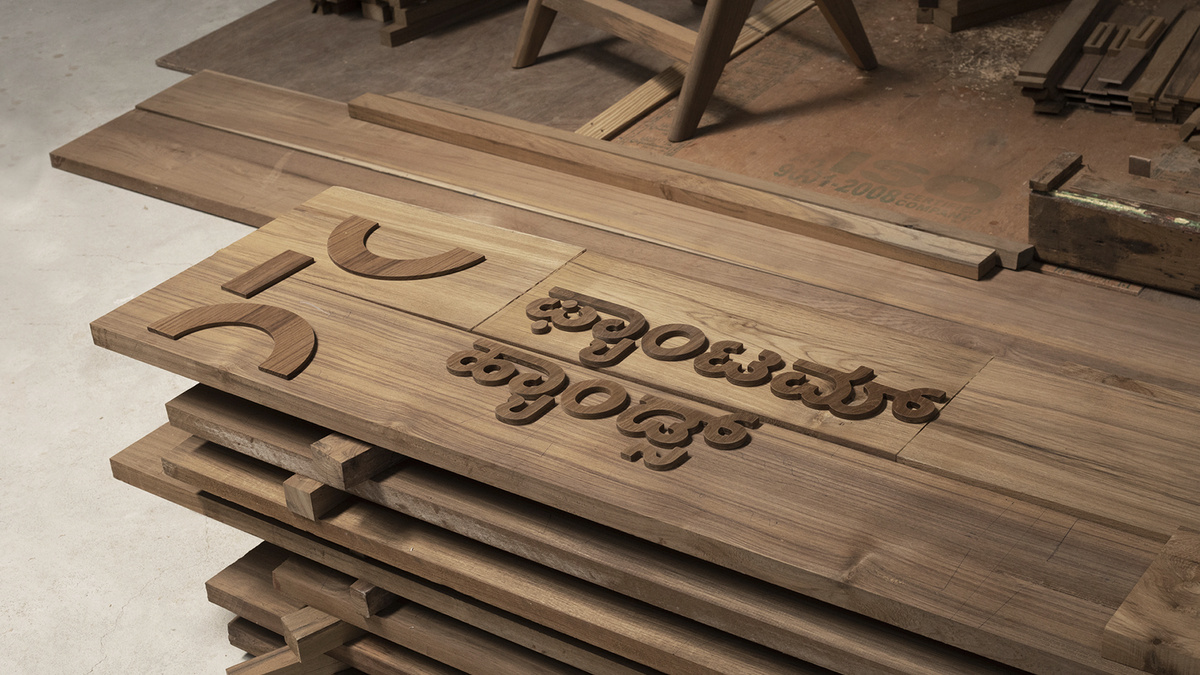
Phantom Hands focuses on the research and preservation of South Asian modernist design traditions and craft. Our name, ‘Phantom Hands’, is a tribute to the generations of artisans whose legacies of skill are embodied in every piece we make.
Who We Are
We are a Bangalore-based furniture workshop that believes deeply in the unique, aesthetic pleasure of crafted furniture, shaped by the principles of South Asian modernism.
We operate at the intersection of South Asian modernist design histories, contemporary design, and craft production.
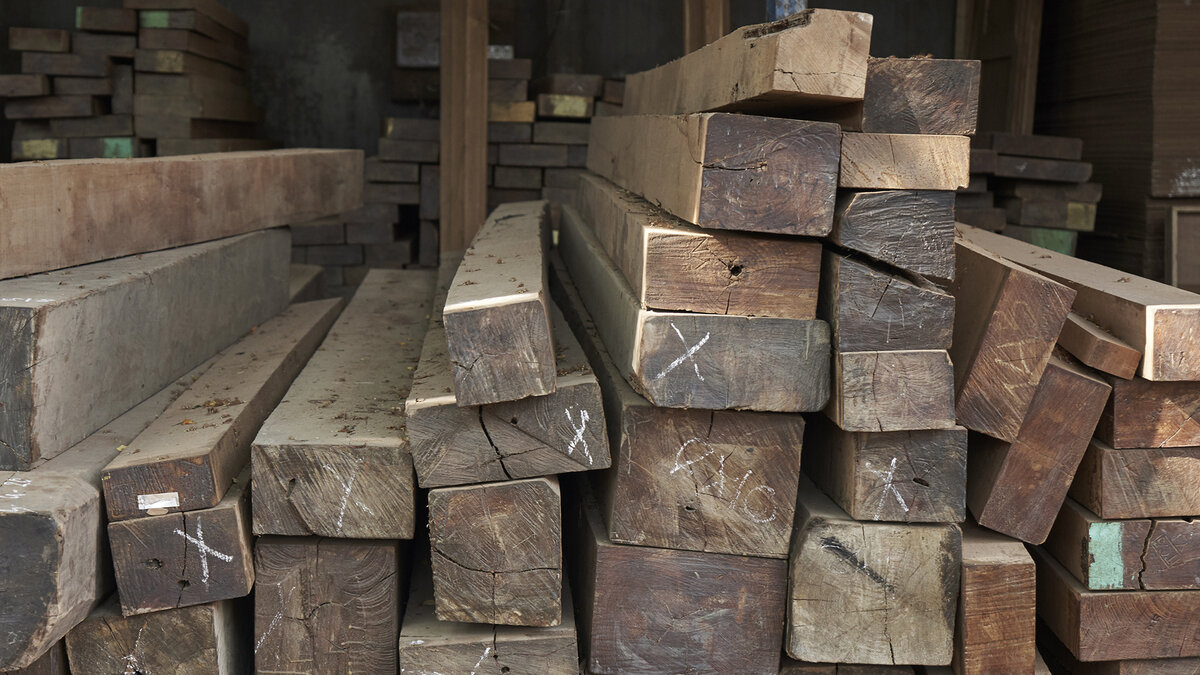
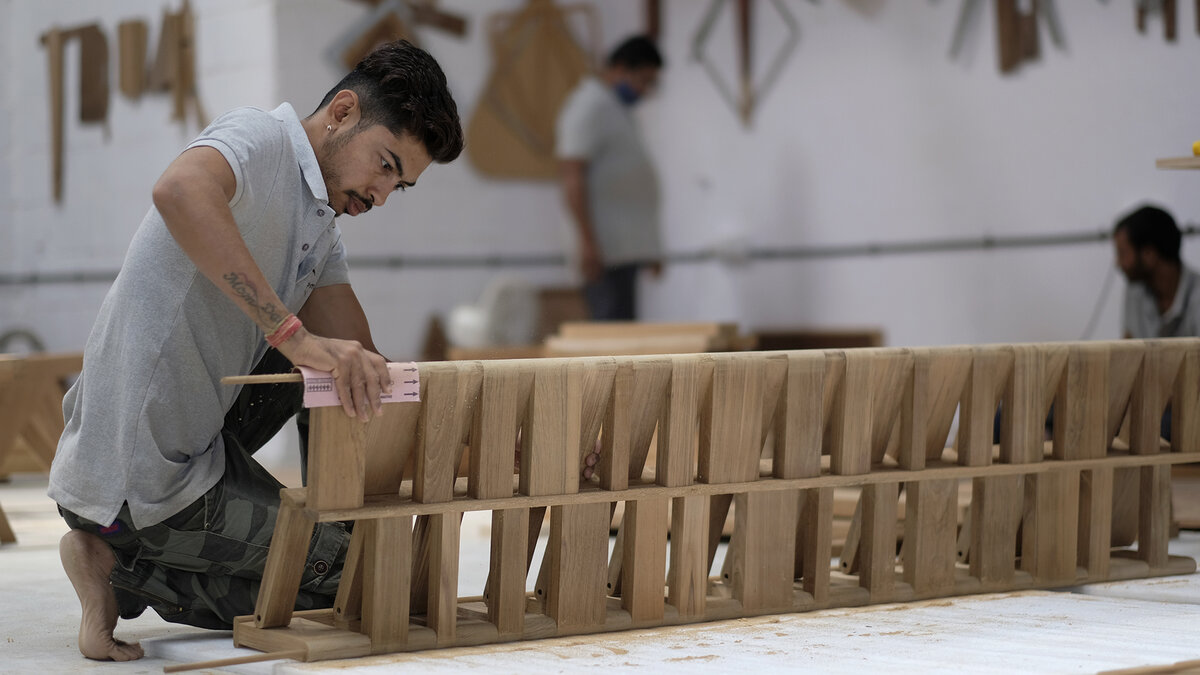
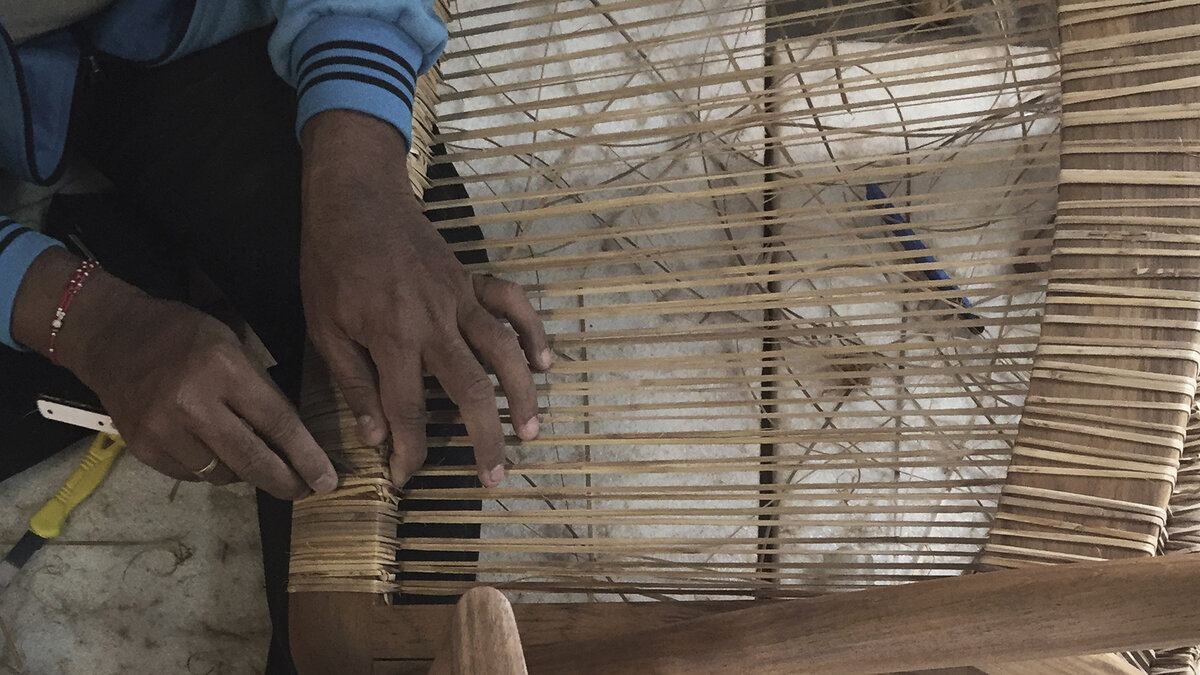
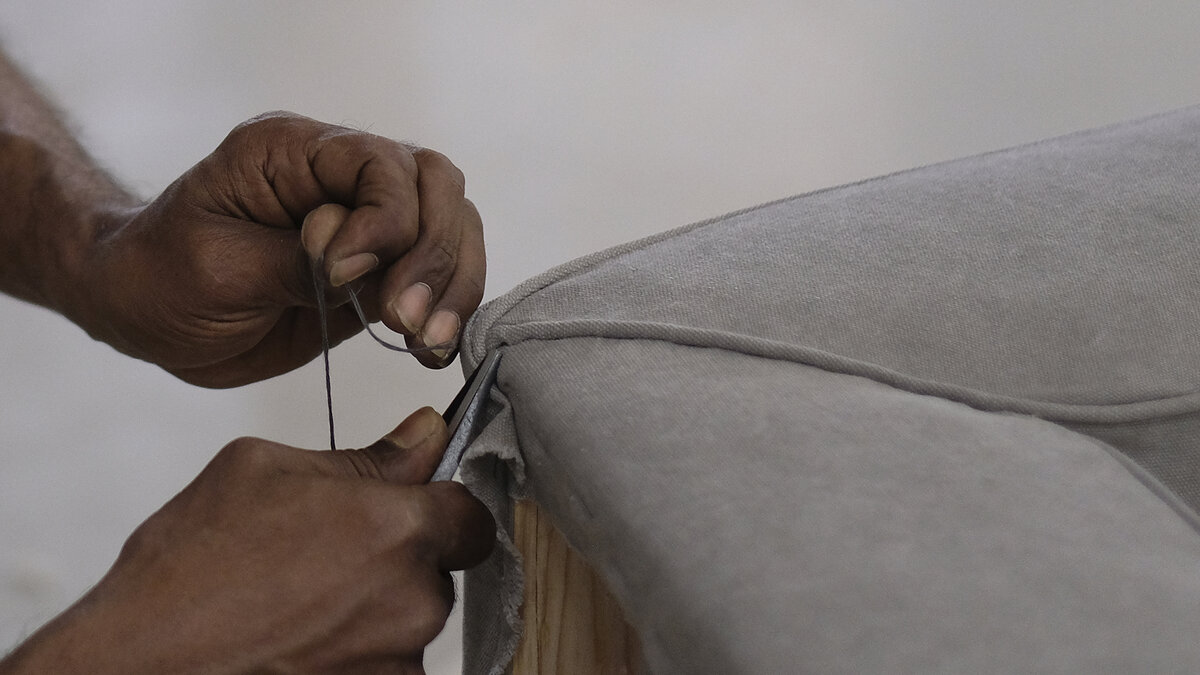
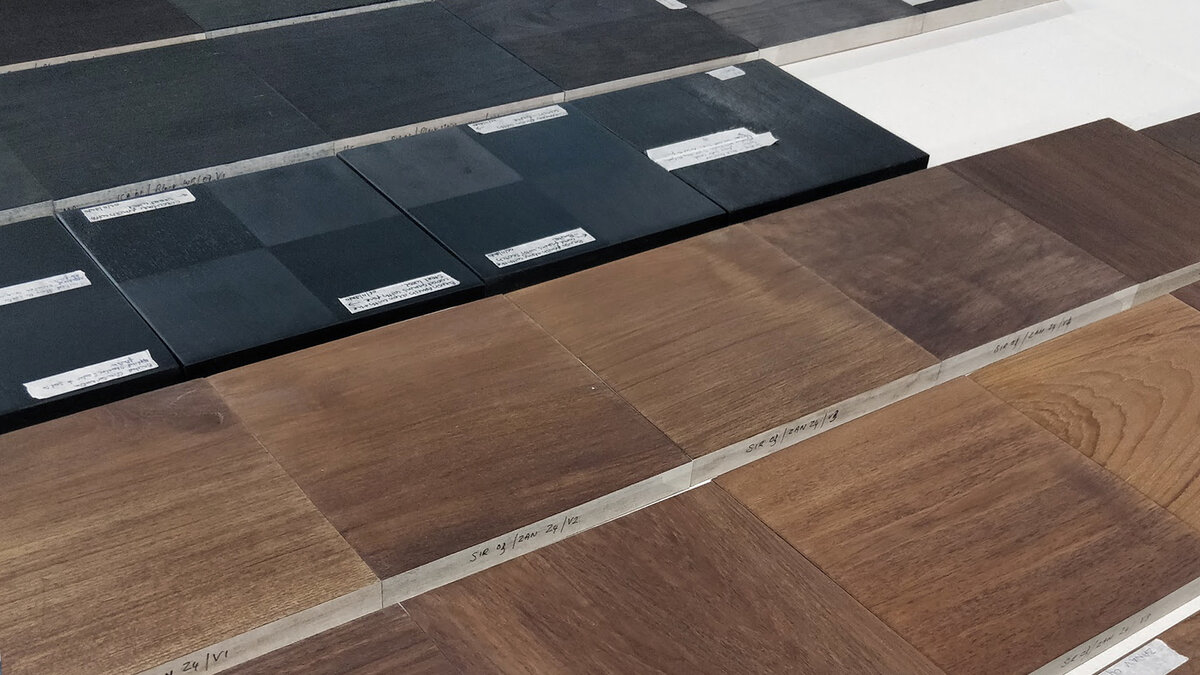
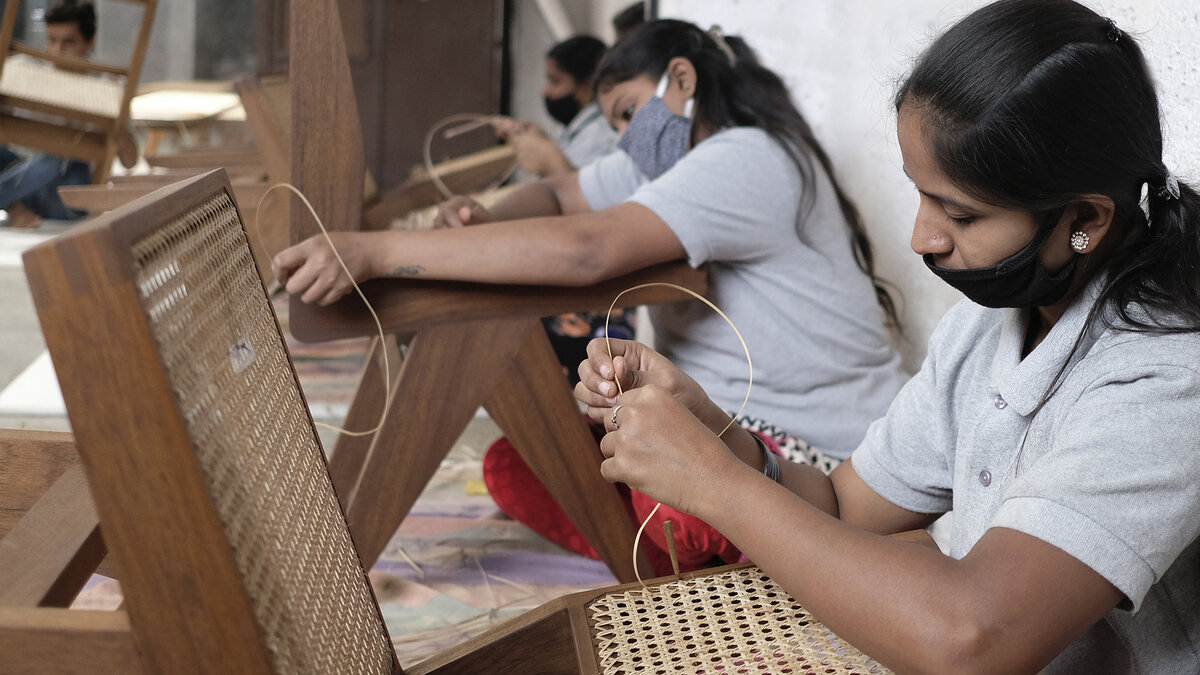
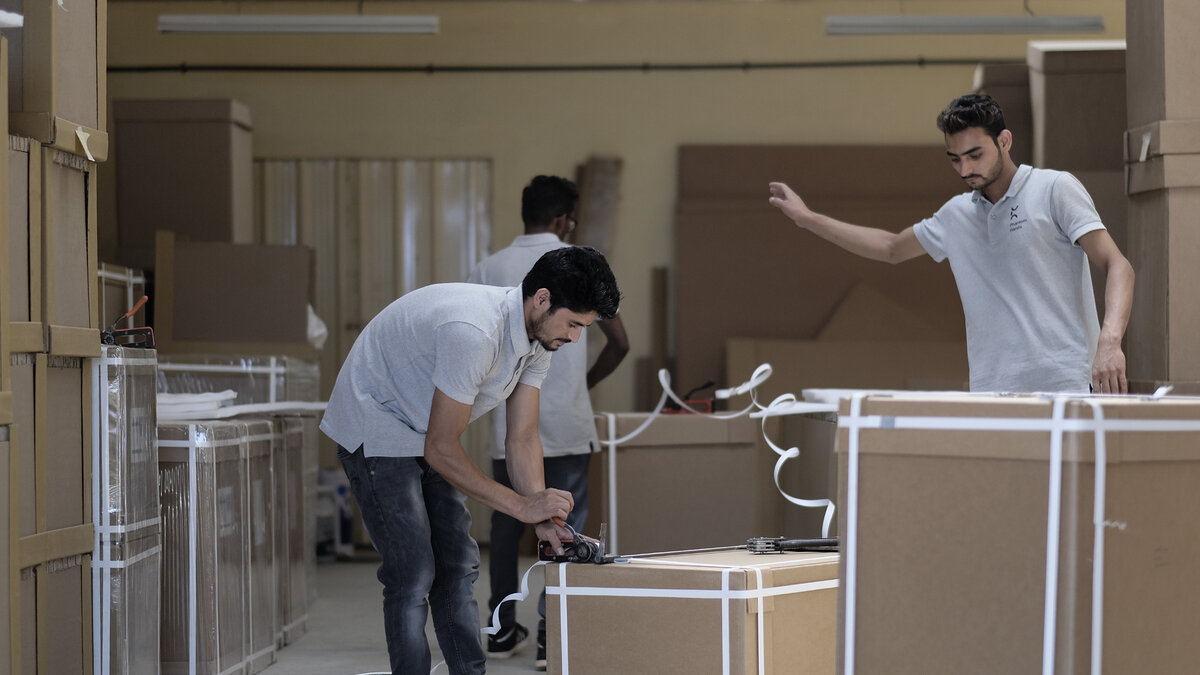
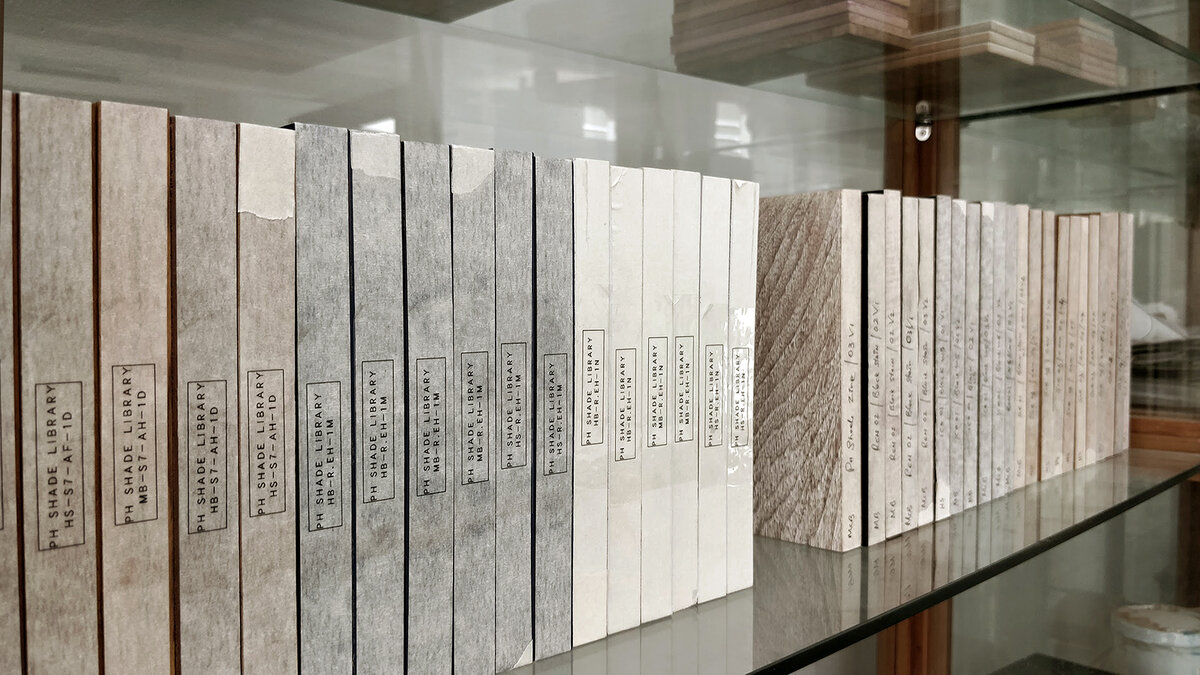
Our workshop, while physically an ecosystem of skilled carpenters, wood polishers, cane weavers, upholsterers, and tailors, from craft communities across India, is in spirit, a living archive of material intelligence.
Through our research and our collections, we function as creative custodians and stewards of South Asian modernism, which was, and continues to be, defined by its use of local materials and craft traditions.
Our furniture stands as a culmination of centuries of craft knowledge and skill, passed down from generation to generation. The name ‘Phantom Hands’ is a homage to the legacy of these past artisans, whose contributions manifest in every piece we make.
Evolution
Phantom Hands began in 2014 as a monthly catalogue of vintage objects, researched and curated by Aparna Rao and Deepak Srinath.
In their quest to find heirloom design with a high standard of craftsmanship, Aparna and Deepak stumbled onto the design histories of the cosmopolitan modernism that defined the early years of independent India.
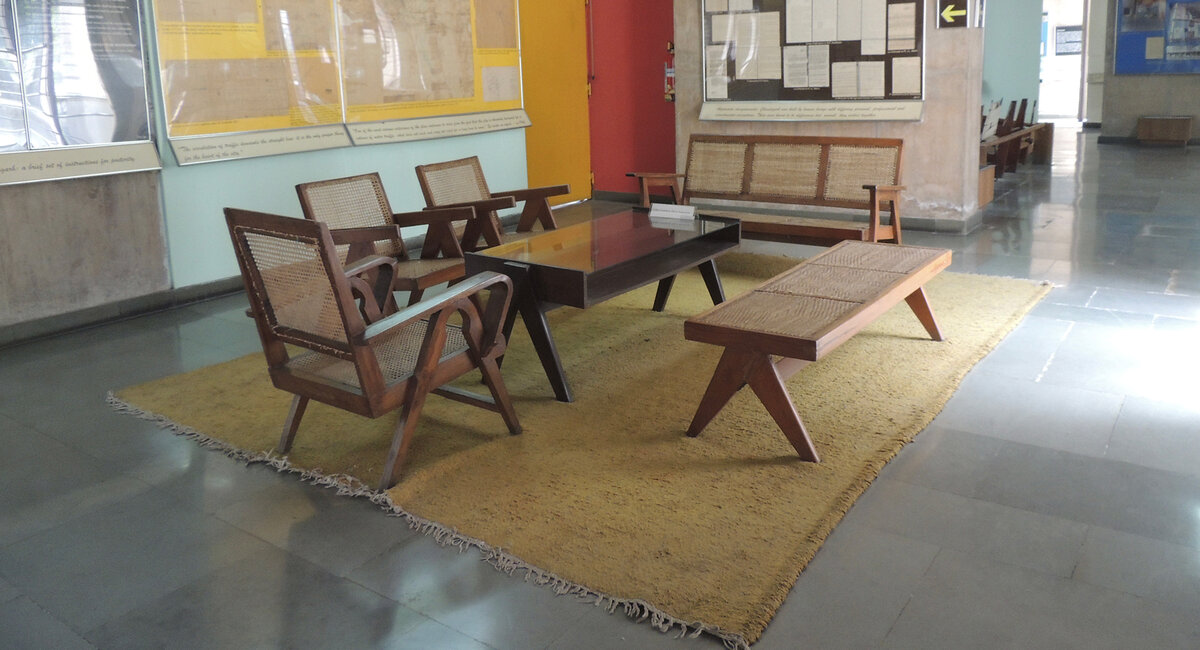
Being more inclined towards furniture in which simplicity, proportion, and the logic of construction stood out, they were fascinated when they encountered the modernist furniture made for the city of Chandigarh in the 1950s. This fascination sparked the idea of remaking those designs, which opened the doors to a much deeper exploration of the intersection between modernist design and craft traditions.
Today, Phantom Hands’ products—a mix of original collections, as well as re-editions of designs by iconic South Asian modernists like Geoffrey Bawa—are seen in several international luxury design spaces, as well as in the homes of discerning aesthetes around the world.
First Collection
Aparna and Deepak’s curiosity about the authorship and copyright of the Chandigarh modernist furniture was driven by the intent to have their offerings be completely above board. Their search for these took them on a journey from Chandigarh to Geneva, via Montreal and Paris.
What emerged from this expedition was revealing. Though often linked to Pierre Jeanneret, the furniture’s creation was never the effort of a single individual—the pieces had been developed in a collaborative design office and produced in a number of local workshops, shaped by the material and skills available at the time.
With the newfound understanding that this furniture was the product of an open, craft-based process, Aparna and Deepak decided to continue in this tradition, and set up a workshop in their hometown, Bangalore.
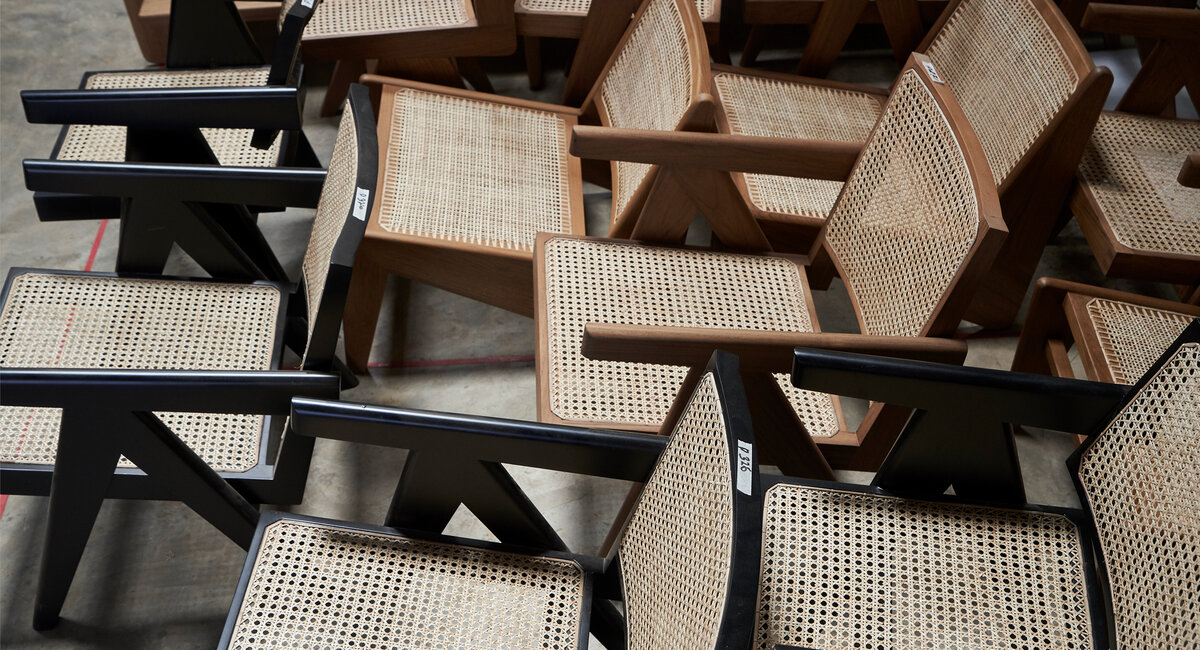
Project Chandigarh, Phantom Hands’ first furniture collection, was launched in May, 2015.
What began as three chair models soon expanded to re-editions of several pieces, originally designed under the guidance of Swiss architect Pierre Jeanneret, for the city of Chandigarh. Since then, Phantom Hands’ pieces have found their way to over 20 countries across the world.
Design Collaborations
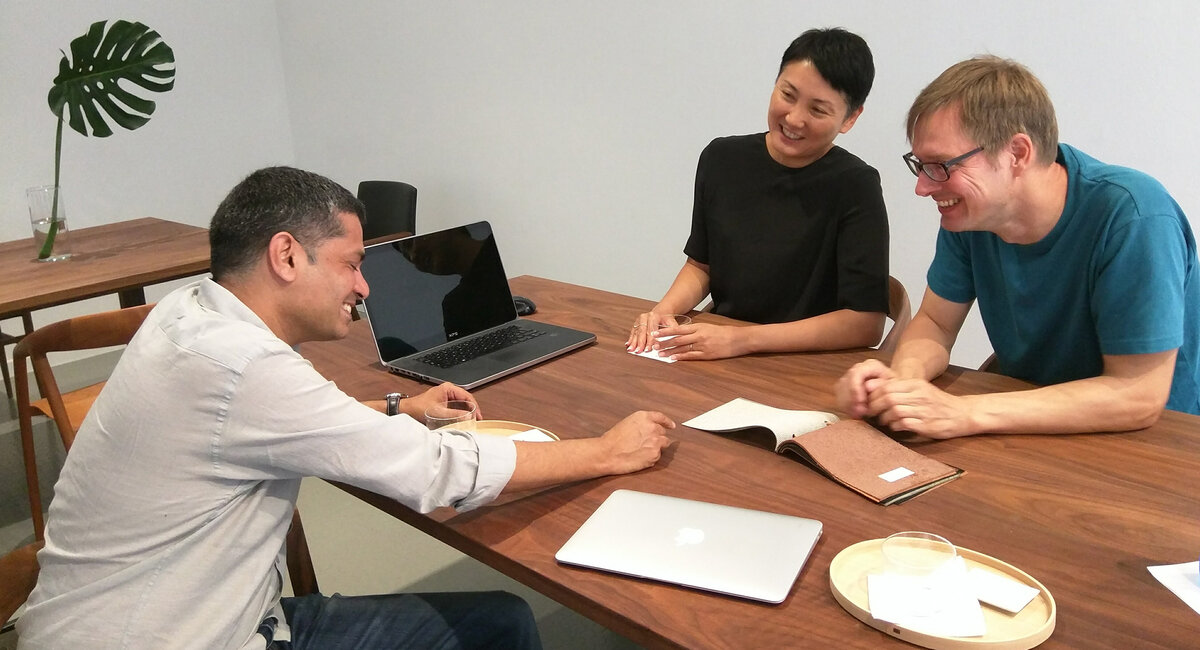
Since 2017, Phantom Hands has collaborated with contemporary designers such as INODA+SVEJE, x + l, Derek Welsh, Padmaja Krishnan, Klemens Grund, Nityan Unnikrishnan, BIG-GAME, Felix Pfäffli and others to create collections of original design. In parallel, we continue our in-depth engagement with South Asian modernism. Our most recent partnership was with the Geoffrey Bawa Trust, with whom we worked to create a collection of the Sri Lankan master’s fiercely contextual furniture designs.
All our collections draw from the form and philosophy of Indian Modernism that originated in Chandigarh, and build on the vast bank of material intelligence that traditional Indian craftsmanship offers.
Today, Phantom Hands is a design and craft collective of more than 100 artisans who specialise in carpentry, cane weaving, upholstery work, and wood finishing.